
Originally published at kemptation.com on 31 July 2015. Words by Andrejka Zupancic
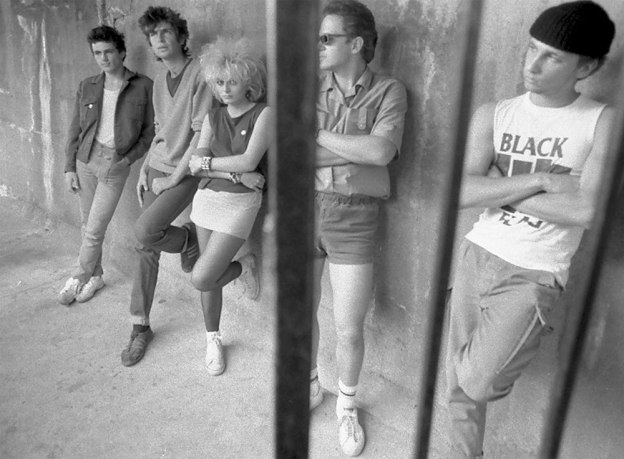
Slovenian punk group Niet was founded in late 1983 and quickly became established as one of the best bands of the then-very-strong Ljubljana hardcore scene. The band was soon to carve a unique path for itself, recording first hit Depresija (Depression) in April 1984, and following this with two summer blockbusters inPesrpektive (Perspectives) and Ritem človeštva (Rhythm of humanity).
In 2008, after it had seemed that Niet would never grace the stage again, the group (under constant pressure from the public) returned with new singer Borut Marolt (ex-Prisluhnimo tišini / Listen to the silence) and a near-perfect, original lineup in guitarists Igor Dernovšek and Robert Likar, bassist Aleš Češnovar and drummer Thomas Bergant.
Kemptation writer Andrejka Zupancic interviews guitarist and original founding member Igor Dernovšek.
Zupancic: How did you come to the decision of reforming Niet after so many years?
Dernovšek: Yes, it was long. We were active (with a two-year interruption due to the then-mandatory military service in former Yugoslavia) from the end of 1983 to 1988. After the death of singer Primož Habič (1991), we gathered again in 1993 for a few concerts, but then we disbanded for 15 years. In the meantime, our popularity grew so much that we were practically forced to return. Luckily, we found enough will and an excellent new frontman in Borut Marolt.
What kind of audience comes to your concerts? Is it mostly those from your early years or a younger generation?
Upon our return in 2008, we were somehow distributed between the old and young fans. Now our audience is dominated by youth, between 15 and 25 years old. We are a band that have equal effect on all generations and this is one of the things of which we are most proud.
The social situation is such that now you have to be a rebel.
Which songs are your audiences most excited about – new or old?
Hard to say. In addition to old classics like Lep dan za smrt (Good day to die), Depresija (Depression), Vijolice (Violets) and Februar (February), we get equal response for 90s tracks Ruski vohun (Russian spy) and Bil je maj (It was May) and for newer ones like Vsak dan se kaj lepega začne (Every day something nice starts), Dekle izza zamreženega okna (Girl behind barricaded window) and Ti in jaz in noč in večnost (You and me and night and eternity). The last two are from our most recent LP, Trinajst (Thirteen), which was released in 2010. In 2012, we made music for the highly-successful rock musical Rokovnjači (Ruffians), which was also released on CD though not aimed at such a wide audience.
Your singer Borut Marolt is formidable in carrying out his mission. How did the audience react to this addition? Were there any negative critics in connection with Primoz Habič and a new singer? It’s clear that many people consider the singer to carry the appearance of the whole group.
He [Marolt] was accepted remarkably quickly, especially by the ladies. He himself, as well as the rest of us, were of course a little nervous at the beginning, because Primoz Habič was kind of iconic in the punk scene of the 1980s. I still remember the reactions in 1993, when I replaced him myself. But time apparently heals while also exaggerating nostalgia.
What are your earliest memories of Niet’s first years in the punk era? Do you have an interesting story from concerts during that period?
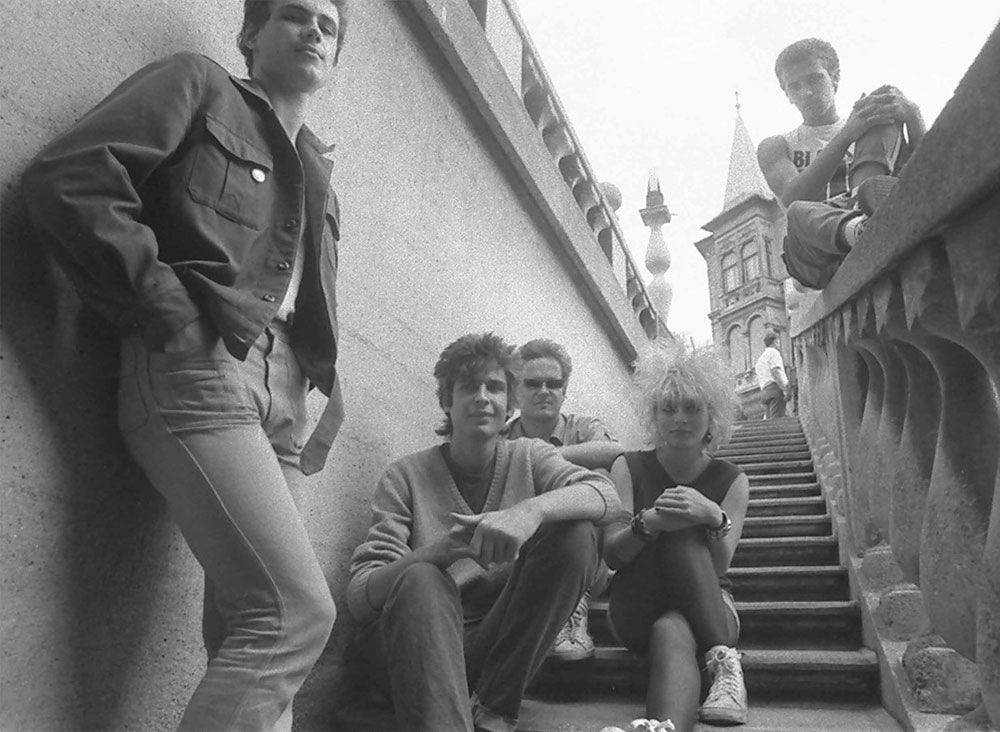
Naturally, we were very young at that time: 17, 18 years old. We were angry kids, we were creating a lot of nonsense. I do not know, not all of them [the stories] are for the public. It is also the fact that we were then a part of Yugoslavia and we had a market of 20 million. There were a lot more opportunities for concerts, several of which we played abroad in France, Italy and elsewhere. We were also lucky to be able to play with some of the giants of the English and American punk scenes at that time, bands such as Angelic Upstarts and Youth Brigade as well as with the biggest names of the former-Yugoslavian rock scene, such as EKV, Zabranjeno pušenje and Električni orgazam.
Could you tell us briefly what the biggest difference in style is between your early years and now?
I do not know exactly. In the 80s, we were rapidly developing and changing from the initial hardcore, some of which we still play at concerts. In recent months, we have already come up with a unique, shall we say, Niet style with a distinctive guitar sound, catchy tunes and shadowy texts. As time wore on, we endeavoured to expand our repertoire while keeping to the same base.
How would you define yourselves in terms of commercial success, now or in the past?
Once we played for packs of beer and for travel costs on the train. Today, however, we can hire a van and get a hundred or two hundred euros per head. Although we are among the most successful and desirable rock bands in Slovenia, it is far from plausible to speak of any commercial success. Slovenia is small, its population size that of a large European city, and the country’s music scene is dominated by techno and folk. The most important things for us are that audiences respond at concerts and that we are putting out well-made LPs.
I have always been interested in your private lives – is it possible to live in Slovenia and make money only from music?
Private lives? Our drummer (Bergant) is married and has two children while Likar (guitarist) is separated, has two children and a new, younger girlfriend. The two other members of Niet are single and enjoy life. I live on maize with a girl and have a 10-year-old daughter. We are all employed, as railwayman, postman, journalist, teacher and stage worker. We are all trying to live as fully as possible; we like to drink and smoke a bit but, above all, we love music.
In the end, it’s the common people who always suffer.
Unfortunately, in Slovenia, with fewer than two million people, earning money with music can only be possible for a few folk bands, each having some festival week. The pop and rock scenes have room for only about five to ten artists – and yet even those artists are not exactly wealthy. Some of the best session musicians, and some classical musicians employed in state institutions, can live from music alone. We, of course, would very much like to live off our music, but the circle of people who still listen to rock in the broadest sense, and who are also willing to pay, is becoming smaller and smaller. Technology, the Internet, it has all played its part and so even copyright cannot exactly bring in the money.
Are you still as rebellious as you once were?
Much more so. Back then, we were more ferocious but we did not exactly know what we were resisting. Now, the social situation is such that you have to be a rebel.
In one interview, you said that “The trough has changed, the pigs remain the same”. Who particularly are you targeting with this statement?
That in power there are always ‘rotten’ people. This may be the inner circle of the former Communist Party or the present ‘left’ and ‘right’ wing politicians and their capitalist masters. In the end, it’s the common people who always suffer.
Did you ever see Laibach as your competition? What do you think of them?
Laibach had formed a few years before us. Their music was in other waters and so while we did not really socialise together, we also did not compete. I appreciate them a lot: Laibach created a completely different form of expression and dared to provoke the then-still-very-orthodox communist regime while making a huge breakthrough into the rest of the world. Respect to them!
Have you ever been politically engaged?
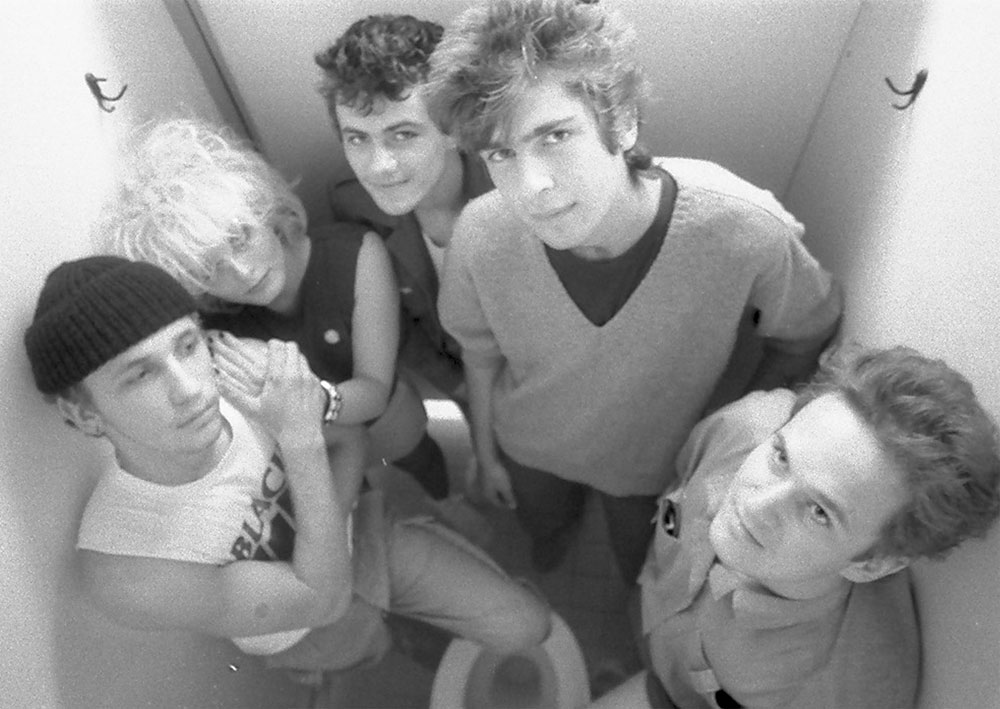
In the 80s, no. We were teenagers; politics did not interest – not us even a little bit. Now, politics is of great interest to us and this is reflected in some lyrics, even though our songs continue to dominate personally-expressive poetry. To some extent, politics is my professional area since I earn bread as a journalist.
Which songs from your latest album are your favourites?
Our new album, V bližini ljudi (Near people), is due for release in September. We released the first single in June, which was has engaged people and become popular. The rest of the hits are to remain a secret as we are saving them for the second, third and fourth singles.
How would you describe your musical style?
As Niet, I do not know. It’s hard to say. They [the music industry] classified us as punk, though we are not that. The energy of our music is punk-ish, but there are some obvious melodic influences and 1960s psychedelia plus some other forms of rock and alternative music.
Plans for the future? Perhaps a tour abroad?
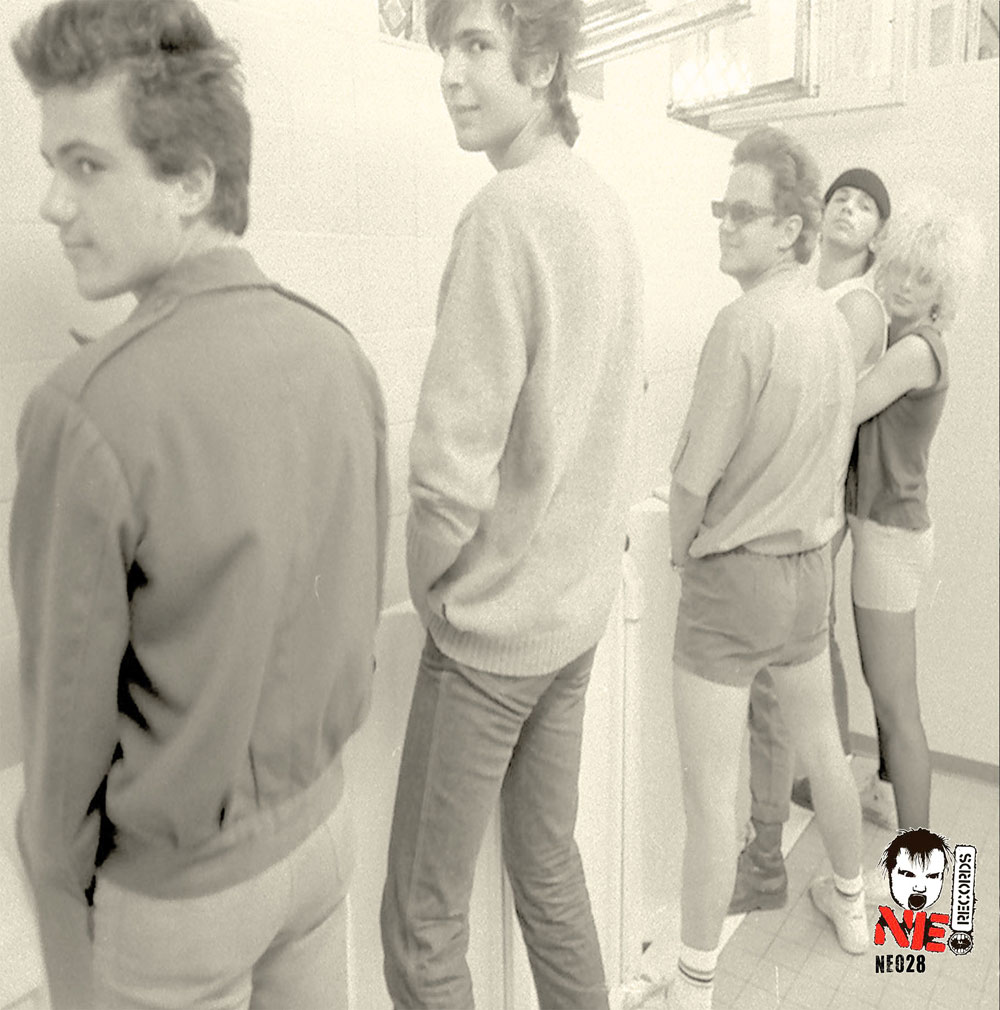
We will soon be releasing a reprint of our first cassette from 1984, Srečna mladina (Lucky Youth). The record, which will be released on vinyl and CD by Swedish label NE Records, became one of the most re-recorded cassettes of Slovenian in history, or so people say. Most of the reprint copies will go to the US, Germany and Japan. In August, we will be mixing our new album, V bližini ljudi (Near people), ready for its release in September. A tour of Slovenia will then follow, but perhaps some concerts abroad might be possible.
 Kemptation