Author Archives: Kemptation editor

Unknown's avatar

About Kemptation editor

Bringing you the sweetest sounding and most body popping beats from around the world. Anything else is a bonus. Find Kemptation on Facebook or come say hello at kemptation.editor@gmail.com

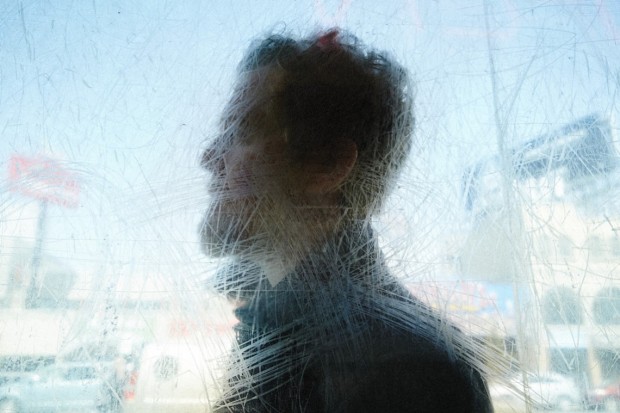
Glen Hansard – Didn’t He Ramble

Originally published at kemptation.com on 1 October 2015. Words by Stephanie Yip

Released 18 September 2015 via Anti-Records

Self-proclaimed for having a history of writing songs that have “been romantic or requited or whatever version of that well and true love story”, Irish singer-songwriter Glen Hansard is no stranger to the heartbreaking romantic ballad. “And that’s fine,” he says. But what advances him beyond his history as a member of The Frames or one half of Swell Season is the content.

“You have to sing about where you are,” he says. “I’m happier with [Didn’t He Ramble] because I’m singing about more about where I am – not where I want to be or where I was.” That is what he considers to be the greatest irony. The more he sings about the moment, exposes himself to the world, the more relatable his music becomes.

That moment has taken him to curate his second solo effort, Didn’t He Ramble. It’s an uplifting and beautifully written record riddled with motivational messages, words of comfort, and that signature air of romance and requite coupled with dancing piano keys that Hansard has perfected the past 25 years he’s been on the circuit.

Opening on a motivational heartbeat, Grace Beneath the Pines reads as a battler’s cry as it finds “grace upon my brothers on the firing lines” and “grace beneath the pines”. Hansard’s voice is eerily steady, rich and honest. A crying violin haunts in the background, accompanied lovingly by a piano at the bridge, setting the tone to tearful levels as the line “I’ll get through this” repeats itself until it’s all but lost on a violin string.

The following track returns us to the more romantic and country-style ditties of Hansard. His voice, less scratchy, sings happily around Wedding Ring as his fingers pluck his guitar lightly. You can almost imagine him swaying to the tune as he regales us with images of wild cattle and night skies. It’s a sound that sporadically makes itself known throughout, especially on easy-listening crooner Paying My Way.

Winning Streak takes us back to the hopeful and uplifting theme of the record. The Irish accent comes out in full force as Hansard sings to a loved one, whether they be romantically inclined or not, wishing them well. Wishing them all the happiness and fortune in the world.

No doubt it was chosen as the single for it’s winning radioplay potential.

Her Mercy continues the conversation Hansard is having with this other being, promising them comfort and mercy at the time of need.

Another hailed single, with good reason, is McCormack’s Wall. Simple, yet brilliant, it comes laced with soft vocal, melodic piano and memories of past loves. Three quarters in, it completes the Irish-ballad checkbox with a fiddle, jigging in glee for the days that were and the drinks that will come. It links aptly to the most energetic track on board, Lowly Deserter.

Rich and edgy and just past the album’s halfway mark, Hansard lets his hair loose in this country-rock tune that bites and crawls itself out of the sandpits of the wild west. Sharp vocals accompany a hearty trumpet in a short but memorable number. Snarling its way into second place for edginess is My Little Ruin. What it lacks in country-rock, it makes up in lyrical desperation. In-between the gnashing of teeth and the yearning violin, it pleads for a lover to let him in, to stand strong, screaming that they’re “better than the hour” and calling to “build yourself back up again”.

Acoustic guitar plucks its way into final track, Stay The Road. It’s as raw and pure as the voice that enters. Clear as crystal and sorrowful as winter, the steady earful urges us along, bringing us hope and a shoulder to lean on as it pulls us out from under and into the light, inevitably returning us full-cycle to the downtrodden but determined dialogue of Grace Beneath The Pines.

Stay the road? It’s not hard to when Hansard is behind the wheel to take us along on this emotionally-charged journey.

Interview: Niet

Originally published at kemptation.com on 31 July 2015. Words by Andrejka Zupancic

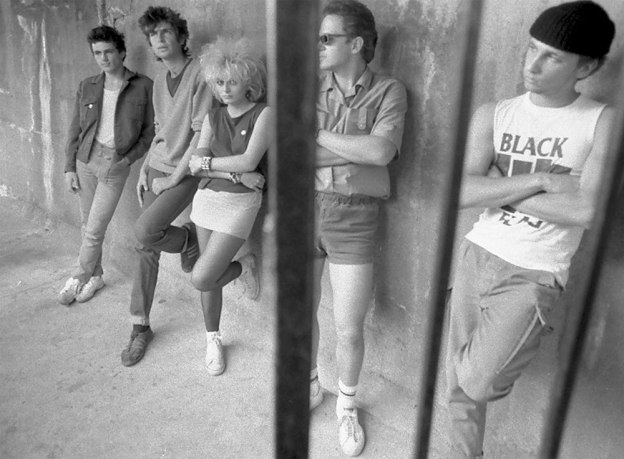
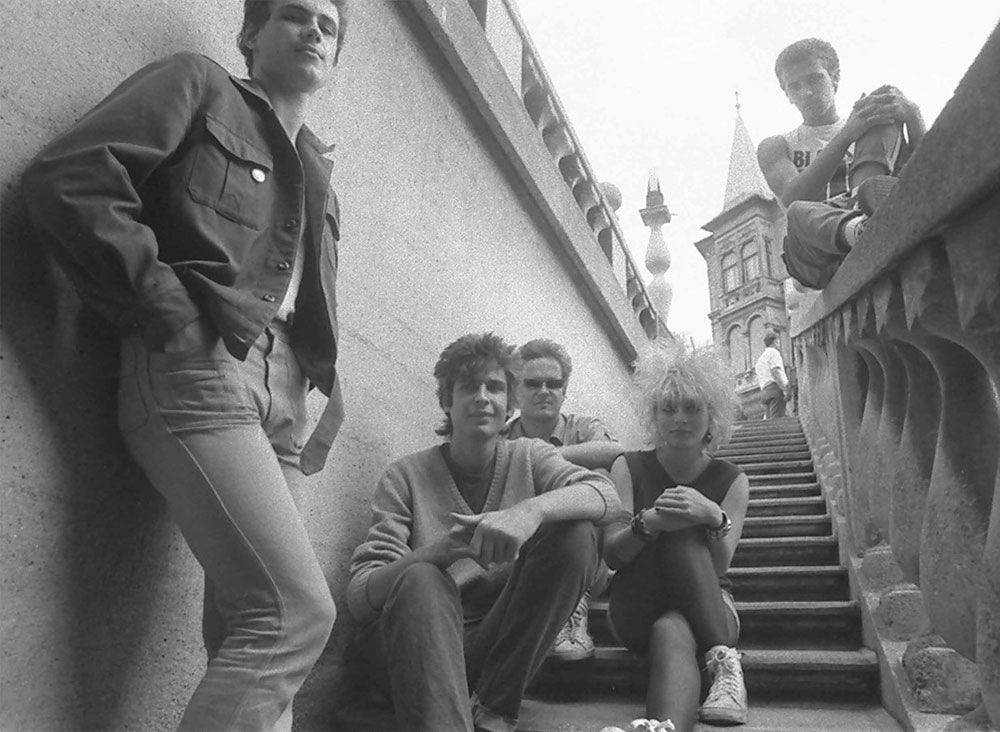
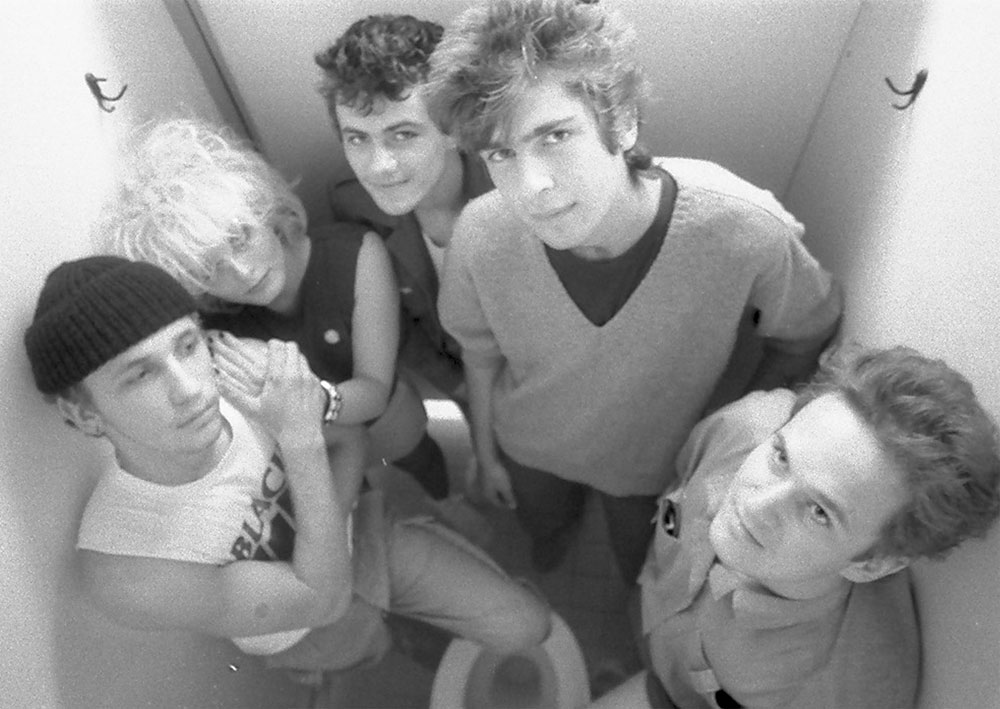
Slovenian punk group Niet was founded in late 1983 and quickly became established as one of the best bands of the then-very-strong Ljubljana hardcore scene. The band was soon to carve a unique path for itself, recording first hit Depresija (Depression) in April 1984, and following this with two summer blockbusters inPesrpektive (Perspectives) and Ritem človeštva (Rhythm of humanity).

In 2008, after it had seemed that Niet would never grace the stage again, the group (under constant pressure from the public) returned with new singer Borut Marolt (ex-Prisluhnimo tišini / Listen to the silence) and a near-perfect, original lineup in guitarists Igor Dernovšek and Robert Likar, bassist Aleš Češnovar and drummer Thomas Bergant.

Kemptation writer Andrejka Zupancic interviews guitarist and original founding member Igor Dernovšek.

Zupancic: How did you come to the decision of reforming Niet after so many years?

Dernovšek: Yes, it was long. We were active (with a two-year interruption due to the then-mandatory military service in former Yugoslavia) from the end of 1983 to 1988. After the death of singer Primož Habič (1991), we gathered again in 1993 for a few concerts, but then we disbanded for 15 years. In the meantime, our popularity grew so much that we were practically forced to return. Luckily, we found enough will and an excellent new frontman in Borut Marolt.

What kind of audience comes to your concerts? Is it mostly those from your early years or a younger generation?

Upon our return in 2008, we were somehow distributed between the old and young fans. Now our audience is dominated by youth, between 15 and 25 years old. We are a band that have equal effect on all generations and this is one of the things of which we are most proud.

The social situation is such that now you have to be a rebel.

Which songs are your audiences most excited about – new or old?

Hard to say. In addition to old classics like Lep dan za smrt  (Good day to die), Depresija (Depression), Vijolice (Violets) and Februar (February), we get equal response for 90s tracks Ruski vohun (Russian spy) and Bil je maj (It was May) and for newer ones like Vsak dan se kaj lepega začne (Every day something nice starts), Dekle izza zamreženega okna (Girl behind barricaded window) and Ti in jaz in noč in večnost (You and me and night and eternity). The last two are from our most recent LP, Trinajst (Thirteen), which was released in 2010. In 2012, we made music for the highly-successful rock musical Rokovnjači (Ruffians), which was also released on CD though not aimed at such a wide audience.

Your singer Borut Marolt is formidable in carrying out his mission. How did the audience react to this addition? Were there any negative critics in connection with Primoz Habič and a new singer? It’s clear that many people consider the singer to carry the appearance of the whole group.

He [Marolt] was accepted remarkably quickly, especially by the ladies. He himself, as well as the rest of us, were of course a little nervous at the beginning, because Primoz Habič was kind of iconic in the punk scene of the 1980s. I still remember the reactions in 1993, when I replaced him myself. But time apparently heals while also exaggerating nostalgia.

What are your earliest memories of Niet’s first years in the punk era? Do you have an interesting story from concerts during that period?

Naturally, we were very young at that time: 17, 18 years old. We were angry kids, we were creating a lot of nonsense. I do not know, not all of them [the stories] are for the public. It is also the fact that we were then a part of Yugoslavia and we had a market of 20 million. There were a lot more opportunities for concerts, several of which we played abroad in France, Italy and elsewhere. We were also lucky to be able to play with some of the giants of the English and American punk scenes at that time, bands such as Angelic Upstarts and Youth Brigade as well as with the biggest names of the former-Yugoslavian rock scene, such as EKV, Zabranjeno pušenje and Električni orgazam.
Could you tell us briefly what the biggest difference in style is between your early years and now?

I do not know exactly. In the 80s, we were rapidly developing and changing from the initial hardcore, some of which we still play at concerts. In recent months, we have already come up with a unique, shall we say, Niet style with a distinctive guitar sound, catchy tunes and shadowy texts. As time wore on, we endeavoured to expand our repertoire while keeping to the same base.

How would you define yourselves in terms of commercial success, now or in the past?

Once we played for packs of beer and for travel costs on the train. Today, however, we can hire a van and get a hundred or two hundred euros per head. Although we are among the most successful and desirable rock bands in Slovenia, it is far from plausible to speak of any commercial success. Slovenia is small, its population size that of a large European city, and the country’s music scene is dominated by techno and folk. The most important things for us are that audiences respond at concerts and that we are putting out well-made LPs.

I have always been interested in your private lives – is it possible to live in Slovenia and make money only from music?

Private lives? Our drummer (Bergant) is married and has two children while Likar (guitarist) is separated, has two children and a new, younger girlfriend. The two other members of Niet are single and enjoy life. I live on maize with a girl and have a 10-year-old daughter. We are all employed, as railwayman, postman, journalist, teacher and stage worker. We are all trying to live as fully as possible; we like to drink and smoke a bit but, above all, we love music.

In the end, it’s the common people who always suffer.

Unfortunately, in Slovenia, with fewer than two million people, earning money with music can only be possible for a few folk bands, each having some festival week. The pop and rock scenes have room for only about five to ten artists – and yet even those artists are not exactly wealthy. Some of the best session musicians, and some classical musicians employed in state institutions, can live from music alone. We, of course, would very much like to live off our music, but the circle of people who still listen to rock in the broadest sense, and who are also willing to pay, is becoming smaller and smaller. Technology, the Internet, it has all played its part and so even copyright cannot exactly bring in the money.

Are you still as rebellious as you once were?

Much more so. Back then, we were more ferocious but we did not exactly know what we were resisting. Now, the social situation is such that you have to be a rebel.

In one interview, you said that “The trough has changed, the pigs remain the same”. Who particularly are you targeting with this statement?

That in power there are always ‘rotten’ people. This may be the inner circle of the former Communist Party or the present ‘left’ and ‘right’ wing politicians and their capitalist masters. In the end, it’s the common people who always suffer.

Did you ever see Laibach as your competition? What do you think of them?

Laibach had formed a few years before us. Their music was in other waters and so while we did not really socialise together, we also did not compete. I appreciate them a lot: Laibach created a completely different form of expression and dared to provoke the then-still-very-orthodox communist regime while making a huge breakthrough into the rest of the world. Respect to them!
Have you ever been politically engaged?

In the 80s, no. We were teenagers; politics did not interest – not us even a little bit. Now, politics is of great interest to us and this is reflected in some lyrics, even though our songs continue to dominate personally-expressive poetry. To some extent, politics is my professional area since I earn bread as a journalist.

Which songs from your latest album are your favourites?

Our new album, V bližini ljudi (Near people), is due for release in September. We released the first single in June, which was has engaged people and become popular. The rest of the hits are to remain a secret as we are saving them for the second, third and fourth singles.

How would you describe your musical style?

As Niet, I do not know. It’s hard to say. They [the music industry] classified us as punk, though we are not that. The energy of our music is punk-ish, but there are some obvious melodic influences and 1960s psychedelia plus some other forms of rock and alternative music.

Plans for the future? Perhaps a tour abroad?

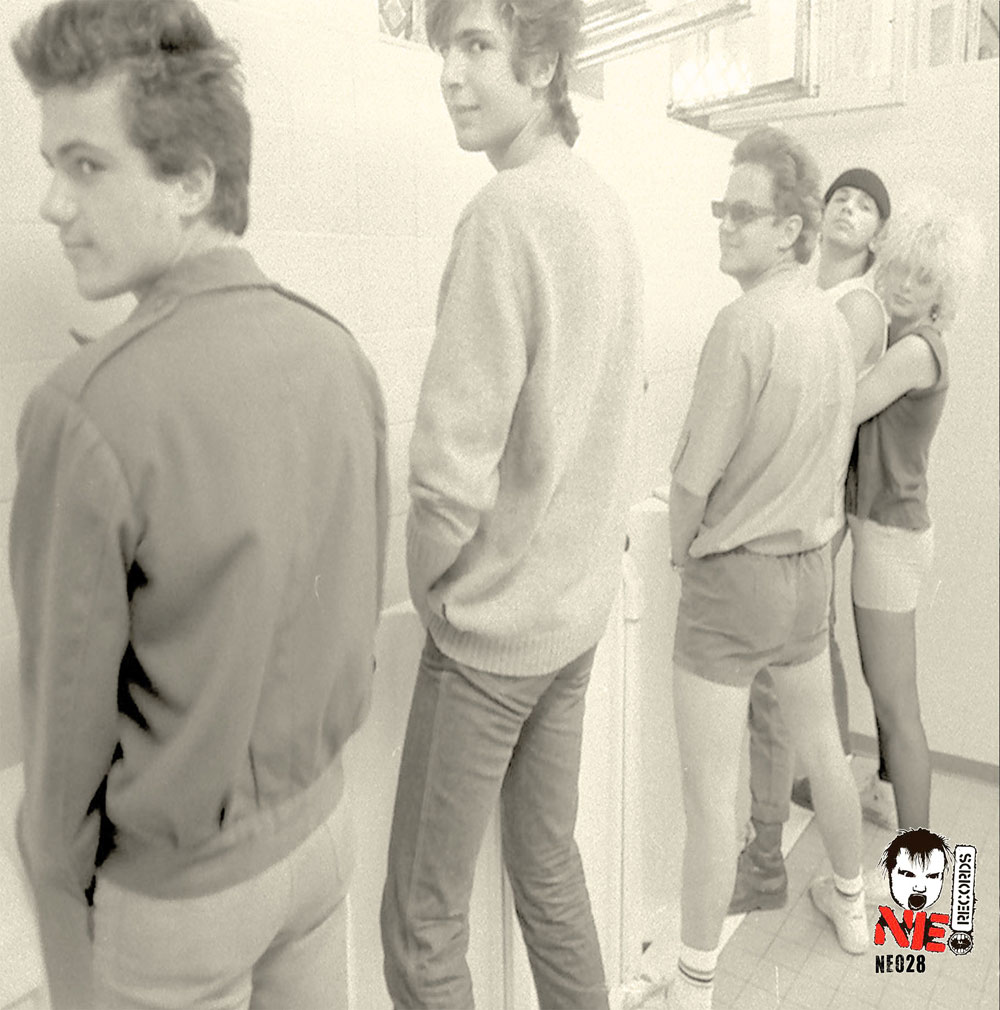
We will soon be releasing a reprint of our first cassette from 1984, Srečna mladina (Lucky Youth). The record, which will be released on vinyl and CD by Swedish label NE Records, became one of the most re-recorded cassettes of Slovenian in history, or so people say. Most of the reprint copies will go to the US, Germany and Japan. In August, we will be mixing our new album, V bližini ljudi (Near people), ready for its release in September. A tour of Slovenia will then follow, but perhaps some concerts abroad might be possible.

Live review: Also Festival at Compton Verney, Warwickshire

Originally published at kemptation.com on 26 June 2015. Words by Laura Thomas

There was a time when England was the very apotheosis of a failed state, as waves of invaders scratched a living in the ruins of an ancient civilisation. The land depopulated by famine and relentless epidemics, religious sects practiced trial by judicial torture. Public executions by burning or beheading were common. Scientists were heretics. Civil wars raged between absolute rulers, armies packed with foreign proxies. It was a haven for pirates and launched countless wars of aggression.

No one can be sure quite what triggered the quiet revolution, known as ‘The Age of Enlightenment’, that led England and Western Europe out of the dark ages. Thoughtful souls gathered in coffee shops and parlours and replaced superstition with science, bigotry with reason, and fear with knowledge. Maths, science and history; unravelling the mysteries of it all started with these small bands.

It is that salon movement, that restless curiosity, during the dawn of the age of reason, that Also festival’s curator, Helen Bagnall, sought to recreate as scientists, writers, musicians and artists all gathered in rural Warwickshire.

Also festival managed to assemble not only a guestlist of great variety and depth, but an audience to match.

Salon-London has been running for several years now, promoting events with science, art and psychology at the heart of the agenda. The movement has spread through word of mouth, eschewing commercial marketing models and defying received wisdom.

The festival that grew out of those clubs is now in its second year, with the Capability Brown-designed landscape (the original, not the 1970s art-rock band) forming the ideal framing. Infrastructure is otherwise minimal; adequate, but never falling into empty spectacle.

On Friday, the excellent Mr Heart took to the main stage. Before that, though, came Matthew Morgan with a performance heavily influenced by Bauhaus (the 1920s German art movement, not Pete Murphy’s post punk poseurs).

Mr Heart’s Tamsin A is every bad girl’s punk fantasy: dressed in black, crushed velvet and DMs, she spat and snarled as the band launched into a full-on psycho waltz. Polyrhythms lay underpinned by the powerful, lyrical percussion of Helen Suzy, Amy Spray’s nimble bass lines thudding against your teeth like a gob full of vomit. In front of them, a dozen or so toddlers sat and looked on politely, their parents standing behind the tousle-haired moppets, reminiscing about Glastonbury ’04. Muscle memory soon took over, though, as another generation lurched sheepishly into Dad Dancing.

Mr Heart put on a good show – better, in fact, than the format they adopt allows. Songs were interesting and well-constructed; A’s lyrics often hinted at subtlety (and real rage) but were masked by the over-use of loops and vocal effects and by their sometimes-clichéd style. Arrangements were complex and interesting, with changes of rhythm and tempo. There was great use of the considerable dynamic range of the band to provide light and shade. A’s guitar was underused, with solos only rare teases and promises of Tom Verlaine-type soaring, spiky arpeggios unfulfilled (lock this girl in a room with a copy of Marquee Moon). The band’s set was mostly drawn from  The Unspeakable Mr Heart, which is worth a listen. Keep an eye on this band and watch them develop.

As Mr Heart were wrapping up their tight and well-received set, the Bat Walk, led by Stuart Spray, went past, down to the lake in the dusk of a midsummer’s evening. Nearby, a cocktail bar in the Black Cab Coffee Co dispensed martinis and good cheer as Marcel Lucont, the Gallic comedy creation of Alexis Dubus, took the main stage to entertain a large and enthusiastic audience and bring the evening to an end.

Saturday, the longest day, dawned with festival goers in surprisingly good shape. This is a crowd that has a pint of water before it goes to sleep, refreshingly free of the usual mobs of testosterone-driven, pissed-up wankers shouting at the moon till silly o’clock. There was one man playing pipe and tabor to welcome in the dawn, and he is recovering well following rectal surgery.

This was a day for dodging the showers and wandering from venue to venue. Down in the disco bunker (made from straw bales, no less), DJ Steve Vertigo taught kids how to modulate EQ rapidly and produce a rhythmic effect. Couples were looking over the lake sitting on wicker settees. Strangers met and chatted about the appropriate uses of post-feminist irony and the modal structure of the first Velvet Underground LP.

The main stage was packed to hear David Tong’s talk on dark matter. A dedicated knitting tent was well attended, too, and everywhere conversations were breaking out as a community started to form. The very brave went wild swimming in the lake. Few people bothered climb to the top of the hill where there was rumoured to be 3G reception.

Joanne Harris entranced the crowd with her reinvention of Loki for the modern age as a sort of cosmic Arthur Daley. Singer-songwriter Matt Maltese, only 19, showed some deft touches in composition and arrangement; a little bit predictable but plenty of time to mature. Joana Parker gave an interesting talk on her book of maps, though possibly needing a map to show when Marcos Santana and the TRIBO samba drummers were going to kick off, we lost the last ten minutes of her talk.

It became more normal to engage your neighbour as barriers came down, and that’s when things started to get really interesting. Somehow, Bagnall had assembled not just a guestlist of great variety and depth, but an audience to match. Daniel Richard’s excellent talk on his book, Great British Songwriters, grew into a discussion of the intellectual and scientific basis of sythesthesia (seeing sounds as colours), with one member of the audience, Mr Heart‘s Amy Spray, talking like a consultant neurologist. Jamie Bartlett led a passionate discussion from the floor about the Dark Net, the internet and its abusers.

Cool and beautiful, Karin Fransson mixed her own sophisticated jazz-light compositions with traditional Swedish numbers to celebrate mid-summer, generously providing a measure of the Swedish ardent spirit snaps for each audience member before leading a drinking song and having three or four glasses herself; after which point she became rather less cool if no less beautiful.

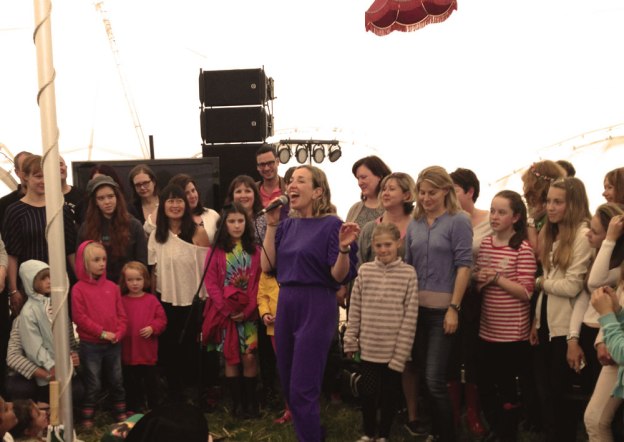
The site was abuzz during the afternoon from those who had attended musical director Juliet Russell’s workshop and choir that morning. The main stage was packed for her show for which she had expected maybe a dozen people at most; in the end, 40 festival goers packed themselves in front of the stage to watch Russell give a performance of spine-tingling intensity and passion.

Also is a Marmite festival: you’ll either love it or hate it. If your idea of a good time is to get wankered on supermarket vodka to a deafening soundtrack of cock-rock bands and wake up in your tent covered in mud with a trainee accountant from Basingstoke snoring in your ear, then this festival is not for you, look away now.

Also is one of the few festivals to take genuine risks in pursuit of its aims; it has a soul and a mission and a confidence that embraces the chance of ridicule. This is a festival with no barriers between performers and punters. Artists were there as facilitators rather than entertainers, educators and not stars. The audience comprised poets and scientists, doctors and dreamers, teachers and dozens and dozens of individuals from all walks of life who came away with renewed belief in their own intellect and creativity, with more hope and less fear.

In Juliet Russell’s own words:

“Sometimes we need reminding

To take beauty where we find it

I am you and you are me

And my voice lifts my soul

And I set my spirit free.”        

At the climax of the number, led by Russell and the massed choir, festival director Helen Bagnall gave a little jump, fist pumping the air. Agreed, Helen. You smashed it. Well done.

Check www.salon-london.com for more information on the Salon movement.

Live review: Lucy Anne Sale at The Tree House Bookshop

Originally published at kemptation.com on 10 June 2015. Words by Laura Thomas

A trend in recent years has seen many artists eschewing traditional gig venues – with their sticky carpets, overpriced drinks, broken PAs and ear-bleeding volumes – for acoustic gigs in informal venues, sheds, people’s front rooms (crammed onto the sofa with the TV pushed into a corner), kitchens…and bookshops. A whole circuit of community bookshops is springing up as the thoughtful, literate community reject Amazon and Kindle to make community and gather in a circle of light with fellow souls.

The beautiful and enigmatic Sale has been a poorly kept secret for some years now

The Tree House Bookshop in Kenilworth is typical. Tucked away in this hidden gem of a middle-England town, its proprietor, the redoubtable Victoria Meir, provides and oasis of calm in a hectic world. There are books, many books. There is cake, and tea and coffee and sometimes homemade biscuits. And on Friday, local legend Lucy Anne Sale came and brought strawberries and chocolate. The plan was to video a low key acoustic set; she was baffled to find the tiny venue packed in anticipation of her appearance.

The beautiful and enigmatic Sale has been a poorly kept secret for some years now, but somehow she has managed to avoid the mass popularity her talent demands despite touring with Kelly Joe Philips, performing sets at Glastonbury and the Union Chapel and boasting collaborations with Devon Sproule and Rachel Ries.

Sale quickly establishes an easy rapport with her audience, sitting slightly hunched over her nylon strung guitar, her smoky, jazz-infused vocals flowing over a soundscape of chords and runs. A classically-trained composer, Sale has devised her own system on the guitar, refraining from hackneyed three-chord tricks. After playing a couple of numbers solo, she brings on vocalists Lizzie Coughlan and Liz Crowley.

Songs like The Beatles (about a Facebook stalker) and the bitterly acerbic Where Does all the Money Go? show the trio’s unique vocal stylings. These are no mere backing singers; the three voices syncopate against one another and the jagged polyrhythms of Sale’s guitar, harmonic intervals and breaks unexpected and glorious in their originality, reflecting hours in the practice room and the considerable skills of Coughlan and Crowley as well as the classical training of Sale. The arrangements resemble a string quartet, with the guitar taking the part of the cello and three voices driving rhythm, melody and harmony into one glorious whole. Or, as one wag put it, ‘like the Andrews Sisters on acid.’

Sale’s lyrics are a mixture of the enigmatic and the commonplace: the homespun themes of Hurry, Quickly merging with displays of breath-taking vulnerability on Fooled by the Minor Key or Slow Motion Heart.

Material is drawn from her privately-released second album Sonomama and her yet-to-be-recorded new album on which Sale promises string arrangements and is looking for crowdfunding to try and get the project off the ground. Check her out at www.lucyannesale.com and make your pledge.

Lucy Anne Sale has a busy summer coming up, and the gig with full band at the Bridge House Theatre on 26th July (as part of Warwick Folk Festival) is one not to miss.

Live review: Django Django at O2 Academy, Bristol

Originally published at kemptation.com on 25 May 2015. Words by Lumina Kemp

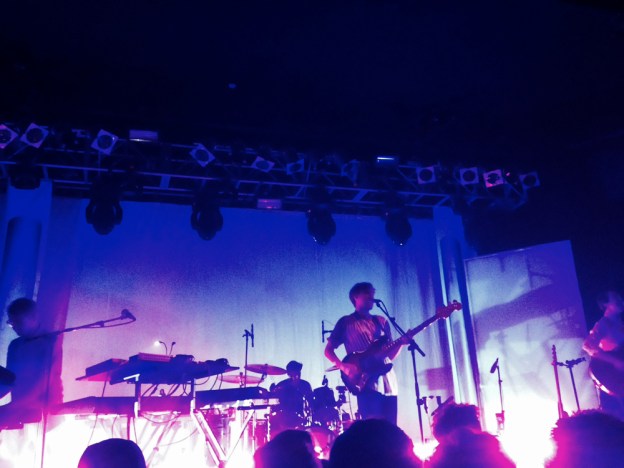
Not much is generally to be expected of a Thursday night show – especially for a band that hasn’t been on tour for a couple of years. They could be rusty or shy, and it being a school night it’s generally best not to hope for much. But tonight seemed to have a buzz about it and Bristol’s O2 Academy was pleasantly full with a patient flock of those in the know. Tonight, the stage was set for Django Django, with a backdrop of white drapes and screens creating a sharp contrast to a collection of instruments that also patiently awaited the show to begin. The lights flickered off and on, as if a playful child had seized control of the switch, while the lads arrived onstage dressed in smart, white-and-black-striped, buttoned-up shirts. They looked like the kind of boys you’d not give a second thought to having over for tea with your nan: polite and modest, but with an underpinning of immense and mysterious talent.

If you weren’t taken away with it all, you must have checked your pulse at the door

The fourpiece began gently, sleepily, with soft harmonies and almost ominous tones; their opening number sounded akin to the credits for an early ‘80s video game before swelling into a huge, orchestrated movie score for an unknown epic Western and later spiralling into an intergalactic drama. Songs like Waveforms and First Light were held together with a driving beat that kept hips a-boppin’ and heads a-rockin’. It was clear from the onset that they were going to give it their all tonight. Lead singer/guitarist Vincent Neff never took a shortcut on vocals, playing a whole array of extra bits and bobs; more fun was to be had as songs expanded and were improvised on the spot, spreading out the goodness like butter on toast.

As the Bristol crowd loosened up, they grew hungry for more of this cosmic stew of indie-styled, ancient surfer rock. No worries if you forgot to take your drugs, though, as the boys provided all the elements to send you to outer space and back. It was like watching a live art film unfold in real time: strobe lights and a laser show complimented their complex and seamless changing and weaving melodies. Song after song flooded the room with unpredictable, and yet perfectly aligned, changes, woven tightly and yet given enough room to roam and explore.

Halfway through the show, the quartet invited saxophonist James Murray to come up and join them, and together the now-quintet continued setting sail. They were obviously enjoying a bit of play with the audience, at one point having everyone get down on the floor only to rise back up with the beat as Wor sent the crowd completely off their feet – not even the sticky beer glue of O2 Academy’s dance floor could keep them down. So high off the rhythm were the crowd, instead of cheering for an encore, they belted out their own rendition of Wor so the boys could return to a serenade of their own tune.

By the end, Django Django had managed to strap the entire crowd into their psychedelic, interstellar spaceship destined for a better world; a world where never-ending, driving beats sync with your heart and stomping feet. Where surfer rock dines with sprawling Western scores and float together through a sea of harmoniously dreamy vocals. If you weren’t taken away with it all, you must have checked your pulse at the door.

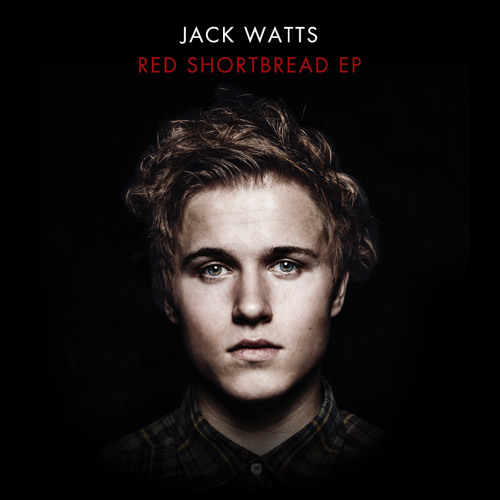
Jack Watts – Red Shortbread EP

Originally published at kemptation.com on 17 May 2015. Words by Stephanie Yip

Released 17 May 2015 via BARP Records

20-year-old Brighton lad, Jack Watts is the kind of up-and-coming artist that will floor you the instant his ethereal vox hit your eardrums. Though notably inspired by Jeff Buckley and Radiohead, his sound rather lends itself more toward the acoustic and jazzy sides of Ben Howard, Nina Simone, Justin Nozuka and Damien Rice as beautifully raw and emotionally intense lyrics are stripped from his throat in a hushed melody of brilliance.

His debut EP Red Shortbread might be short, consisting of a mere five tracks (one of which is a cover), but all four originals come delicately crafted and even more delicately executed. And as each song unravels, it becomes disturbingly clear that Watts either has a talent for tearing at our emotions inch by inch, or tearing himself apart inch by inch.

Opener, We Lost It All, rings heavily of motown funk, introducing itself with a series of gentle guitar pluckings and a rasp of vocals before breathing life into a tale of loss and despair.

Push Blue follows. It’s the second single off the EP and a more memorable track to be fair. Still soft in its demeanour, it peaks at just the right moment, writhing in the silent anger that is felt when a relationship goes sour. Its intensity is only heightened when viewing Watts perform the song: the conviction in his face twisting the knife even farther, ever slower.

Title track Red Shortbread rests comfortably in the meaty middle of the EP. Lilting falsetto is ready for redemption as a torn, broken and otherwise vulnerable Watts screams to his love for salvation and aid singing: “Sort me out/ ‘Cos I’ve been broken for too long now/ And I need you more than ever/ I need you tonight.”

In an intriguing chance of pace, Watts uses his EP’s fourth spot to cover Sinatra’s It Was A Very Good Year. His is a jazzy, down tempo rendition that you could imagine being sung in a smokey underground bar full of guys and dolls. Though captivating and sultry, oddly enough it doesn’t quite sit too well in this collection. Lacking Watts’ husky tones, it’s execution is more sentimental than sad and never quite hits the heart in a record otherwise saturated in emotion.

All is forgiven however with Watts’ final song. Named One Last Kiss, it’s again a change of pace, that comes complete with an up tempo beat, electric guitar and rock edge. But what sets it apart from its predecessor is that it utilises those stunning rasped vocals that we’ve grown so familiar with these past 20 or so minutes, making it feel just right. Couple that with a glowing sense of conviction as Watts begs for “one last kiss” before saying goodbye and the EP is complete.

It’s goodbye for now, but doubtfully not forever. Because if this is the kind of emotional rollercoaster a 20 year old Jack Watts can deliver in just four songs, one can only imagine what’s in store for us when he’s ready to deliver a full-length album.