Category Archives: Features

Interview: Laibach

Originally published at kemptation.com on 12 April 2016. Words by Andrejka Zupancic

Slovenia’s industrial avant-garde pioneers Laibach first spoke to Kemptation writer Andrejka Zupancic in March 2015. In the interview, a feature which benefits from multiple readings, the band appeared to cover every angle, unafraid to speak their political minds and making reference to police surveillance, manifestos and the illusion of Europe, an institution that was born into a state of “constant disintegration”.

Since this first interview, the Eurozone has taken a giant hit, Greece’s finances have imploded, mass migration has swept the continent and politicians have had their dirty laundry exposed via the infamous Panama Papers.

The band travelled to North Korea in 2015 to play their first set of concerts there, and the first by a Western artist. Indeed, if Laibach were relevant before, they are more so now than ever.

Andrejka Zupancic speaks to the band in the run-up to their appearance at London’s O2 Forum Kentish Town.

You recently played live in North Korea. How was that – and was there ever a moment where you feared you may not return?

The journey to North Korea was very casual. There were no complications; perhaps most of us were a little afraid that we would feel too good and we would be more scared of returning home.

Did you adapt your repertoire of songs to the Korean audience?

North Korean cultural censorship is much more innocent and ethical compared to censorship that is happening in developed countries, where there is dictatorship of the market and capital

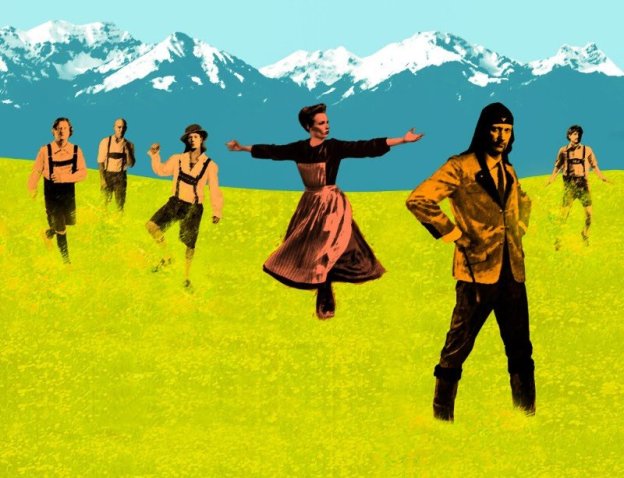
Although as a rule we do not discriminate against our audiences, in the case of North Korea we decided that the program would communicate along the perceptions of the Korean audience, which, in both the aesthetic and value senses, functions in a completely different paradigm to Western and European audiences. We therefore chose songs that were, at least to some extent, known to them. Tunes from the musical The Sound of Music, for example, are relatively well known because they learn English through these songs in high school. They even have their own arrangements of songs from this film – of course renovated following the model of their cultural milieu. In the processing of the Western samples, North Koreans use a similar method to what we use in Laibach and, therefore, we felt it would be appropriate to offer them their own version of songs from this famous musical, to show the parallels between “them” and “us”. Part of the audience had heard at least of The Beatles and so we played our version of Across the Universe. We also added a few cover versions of their popular songs, specifically We’ll Go to Mount Paektu, Honourable, Alive or Dead, Arirang and some stuff from our iron repertoire (Final Coundown, Life is Life, etc.), which to some extent also has a “heroic” character.

Was there censorship present?

Of course – as we expected, though it did not burden us. North Korean cultural censorship is much more innocent and ethical compared to censorship that is happening in developed countries, where there is dictatorship of the market and capital. They asked us to withdraw some of the songs, because they were simply too aggressive in their view, and this was done without any problem. The concert was no less “subversive”, though. In a way, it is simply impossible to censor Laibach; then it would no longer be Laibach.

How long have you been cooperating with Norwegian director Morten Traavik and how did this cooperation develop?

We met Morten as a director and multifunctional artist two years ago and we immediately offered him the job of directing the video for song Whistleblowers, from the last album Spectre. He was the one who suggested we all go to Pyongyang and perform two concerts in the North Korean capital. Through his projects, Morten has been successfully opening the door to North Korea for a long time. He also managed to convince us that Laibach was right for them and so a tour followed. Arrangements for the tour took almost an entire year – until the last minute, we were not even sure whether the performances in Korea would really happen.

How did the audience react to the performance?

Although most North Koreans have never heard such music as that played by Laibach, the audience reacted well, applauding for each song and giving a standing ovation at the end of the concert. Choe Jong Hwan, an older visitor, gave the following statement: “I did not know that in the world there is such music, but now I know.”

How the world will develop in the future really does depend on which direction the EU goes

Rodong Sinmun of the Workers’ Gazette (business newspaper of the Central Committee of the Workers’ Party of Korea) wrote the next day on the cover: “Artists with strong voices presented a very peculiar singing style and highlighted the beauty of each song with their virtuosity and, in this way, showed the artistic format of the group. And, much to the joy of the audience, Laibach played an extremely good version of the Korean song Arirang.”

Do you think that you have left a significant impression with your appearance and will your performance in any way affect the long-term change in Korean music and its art scene?

We certainly left behind some impression in North Korea – and elsewhere in the world probably even more so, which to this country and its culture, as a rule, behaves with derision and contempt.

In your song Now You Will Pay, you sing that “barbarians are coming, crawling from the East.” Can that somehow be interpreted as a prophetic forecast of what is happening in Europe today?

Given the fact that the song was originally recorded 13 years ago, in the perspective of the current refugee exodus, it really is very prophetic. Although, at the time of its creation, it referred more to the Eastern European nations that had joined the EU back then.

How much time remains for Europe as we know it today?

Europe, as we know it (and wish it to be) is essentially non-existent. It is a fiction, a desire, a mirage, a utopia. The real Europe is a system in constant disintegration. That disintegration is essentially the only stable principle on which Europe is de facto formed. With each decay of Europe – seen from an historical perspective – it is paradoxically, increasingly, becoming more stable. Therefore, despite all logic, we believe in a united Europe (which preferably would be all the way to Tokyo), as we have always believed in utopias and we hope that the idea of such a Europe could be realised. But this should not be cold Europe, led by political technocracies from Brussels or Frankfurt banking sectors and operated according to the dictates of neoliberal dogma. Instead, it should be the community, based on a common emancipatory project. And maybe the current disintegration of Europe, together with the current refugee-emigrant issues, should be taken very seriously to reverse the direction of Europe’s vision towards positivity.

How do you see the global organisation of the world in the coming years or decades? Do you think there will be enormous changes?

In light of the global organisation of the future world, there are three or four possible scenarios. After the first world, there will be domination and competition with one another – in the military, economic and cultural fields and in values – between several poles, such as the US, China, Russia, Europe and perhaps even any other pole. This is essentially already happening. Relationships will (continue to) run mainly (in selfish equity) in the interests of the individual poles.

The second utopian scenario shows the world in increased cooperation, domination of the idea of the United Nations and stable cooperation. There would be a kind of modern “Global Alliance” of nations. Hopefully, that could become true, although there is very slim possibility.

Europe is a fiction, a desire, a mirage, a utopia. The real Europe is a system in constant disintegration

The third scenario shows the world’s duopolistic regime, where at one pole there are countries that do not fight Islamic fundamentalism, along with their allies and and on the other pole, countries of the currently-developed West, which are more and more threatened by this ideology. Each of these two poles would defend its values and between the two poles there would be an imminent conflict of values. In this scenario, a gloomy forecast of the battle between civilizations would happen.

There is a fourth option, which will be a radicalised division of the world in the interests of only two superpowers – America on the one hand and China on the other. All other countries would be part of either one of this coalition.

How the world will develop in the future really does depend on which direction the EU goes, which is otherwise a global economic superpower, but does not play a serious role in the military field and which is actually under protection by (i.e. occupation of) America. Most of the EU wants as much as possible to be liberated from it, but currently there is not sufficient political unity, which would be needed for an effective European policy supported by the military and by moral strength. So far, Europe has only an economic power, but even that one at the moment is far from the reach of US power. Moral power on the continent has been completely taken over by the Vatican City.

In light of developments in the world, we can only hope for the best and behave like there will be hundred of years of peace, but get ready as if tomorrow war would happen.

I read somewhere that this year’s tour might be the last for Laibach. Is this true?

Very probably, the last European tour this year…

How has Slovenia’s audience transformed from Laibach’s beginnings to today?

Slovenia is a specific audience, but then so is every other. They still see us as something very strange and that is, in our context, essentially quite normal.

Could the message of your be music summed up in one sentence?

If that were possible, then this sentence would be endless.


Laibach 2016 Tour Dates

Apr 12, 2016 UK London The Forum
Apr 14, 2016 DK Aalborg Studenterhuset
Apr 15, 2016 DE Leipzig Haus Auensee
Apr 16, 2016 DE Dresden Alter Schlachthof
Apr 17, 2016 DE Munich Muffathalle
Apr 19, 2016 SK Košice Tabačka Kulturfabrika
Apr 20, 2016 PL Katowice MegaClub
Apr 22, 2016 IT Trieste SSG/Teatro Stabile Sloveno
Apr 23, 2016 IT Bologna Locomotiv Club
May 09, 2016 SI Ljubljana Cankarjev dom
Jun 24, 2016 SK Banská Bystrica Rockscape festival
Jul 01, 2016 BIH Tjentište OK Fest
Jul 03, 2016 ME Budva Stari grad
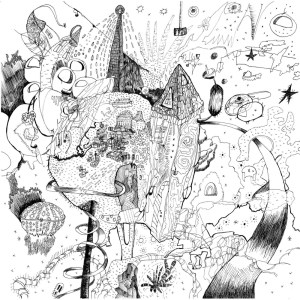
Interview: Kiran Leonard

Originally published at kemptation.com on 21 January 2016. Words by Richard Kemp

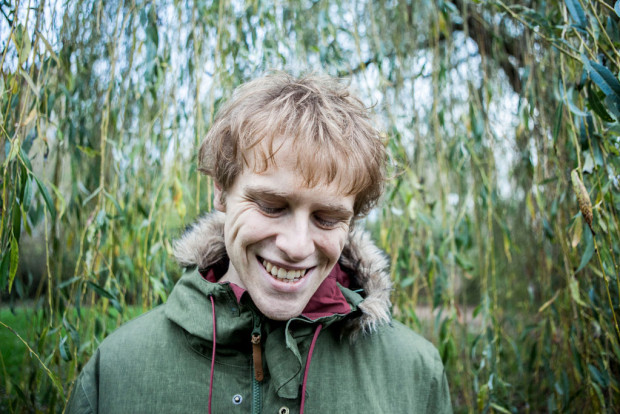
Kiran Leonard leapt into many people’s eardrums with his 2013 record Bowler Hat Soup and its infectious-yet-puzzling opener Dear Lincoln. Now, with an exciting new album, Grapefruit, peeking over the horizon, the multi-talented songwriter has the likes of BBC 6Music’s Marc RileyStereogum and The Line Of Best Fit telling legions of listeners just why his music needs to be heard.

Kemptation had originally planned to ask Leonard a few questions over email and work them into an interesting feature. It turns out, however, that it’s far better just to let the man speak his mind. In the interview, we cover popularity, language, song construction, David Bowie and the true reasons why artists make the music they do.

We first came into contact with you through Marc Riley playing Dear Lincoln on his BBC 6Music show. Since then, we have been avid converts. Have you noticed an increase in listenership over the last couple of years?

I suppose I receive more nice e-mails and messages than I used to. I try not to obsessively track Twitter mentions and stuff but it’s kind of addictive. Sometimes I get the urge to just go home, give my copy of Future Primitive a big wet kiss and bury all my hardware in the back garden.


You speak Portuguese and even sing in Portuguese on some songs, such as O Hospideiro. Do you find that you can express things in this language that are not quite possible in English?

I don’t speak Portuguese fluently by any stretch of the imagination – I can read it alright, but I still definitely have a long way to go. I’ve also never tried writing lyrics or poetry in Portuguese: O Hospideiro is a cover of a song by a friend of mine that I translated into wobbly Portuguese as a linguistic exercise. Sorry, that was a really boring answer. I’ll try again in my response to the next question.


You mention on the liner notes to your 2015 EP, Abandoning Noble Goals, that you admire singer Daniel Johnston’s ability to present exactly who he is through song, and that this is something you find difficult to achieve yourself. Does singing in a different language help with this at all?

Well, again, I have never released a song in another language that I’ve written, so I can’t answer that question directly. I think that every human being, regardless of the language through which they choose to communicate, is faced with the task of rendering intangible, deeply personal feelings into tangible, accessible speech. I mean in day-to-day life, not just in arty farty ‘confessional’ songwriting. Reading in other languages, whilst obviously as pleasurable as reading usually is, offers more incomplete solutions to a problem that is impossible to overcome. It’s helpful in the way that if you climb up a stepladder you’re probably a bit closer to the Earth’s outer orbit.


Your latest single, Pink Fruit, which was released in anticipation of your forthcoming album, Grapefruit, is a whole 16-and-a-quarter minutes long. David Bowie just did a similar thing. Who’s riding on whose coattails here?

Kiran_Leonard-Pink_Fruit_12_single.jpgI thought the noise surrounding that new David Bowie single was very peculiar for two reasons. First of all, it’s not new ground for him at all to write long pieces that eschew traditional song structure – you hear that his new record is going to be full of long, strange pieces and just think, “oh right, like Station to Station.” You get the impression that people were freaking out ’cause David Bowie had recorded the song, not because the song had been recorded… and that’s just sheer celeb idolatry rather than judging a piece’s innovative qualities on its own merits. In of itself, the song is territory covered by a huge number of artists before him and by Bowie himself.
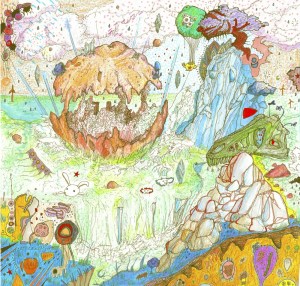
 

Pink Fruit is an exceptional track, a whopping cavalcade of genre-busting anti-merriment. How did this song come about?

Initially the song was just that one riff in 7/8 that you hear nine times 12 minutes or so into the song for a quarter of an hour – then, I figured that would be really tedious. I think I wrote the last four minutes first, then the first four minutes, then the middle bit. The music and the lyrics came together over the course of a year or so.

I don’t think it’s anti-merry! I guess it’s not a very pleasant depiction of human beings. It’s got saucepans in it though, and they’re well merry.


We are looking forward to hearing your new material played live. Did you catch the Sanctum here in Bristol recently? A 24-hour live exhibit of sound for 24 straight days; hundreds of musicians and storytellers took part. Sanctum’s mission was to show Bristolians a new way of experiencing their city. How about with your music? Do you use sound as a way to cultivate new experiences for others?

Well, I mean, on the one hand musicians don’t have a responsibility to cultivate anything for anyone except themselves. I’m still in two minds about the idea of art as a selfless act. You mentioned Daniel Johnston; believe me when I say that what he has written has helped me immeasurably at moments in my life. But ultimately he’s doing it for himself. That kinda goes completely against what Andrey Tarkovsky said about his films: he didn’t believe in any of that, he was all about art being… about an individual trying to articulate their own truth of existence to a wider population in the hope that it will help enlighten them – to depict but also to transcend – but he’s no martyr, he did it because he loved cinema and because he wanted to find these truths for himself. You make art for yourself but if it lacks a certain resonance with other people then I think that affects its quality.

Kiran_Leonard_Grapefruit_album.jpgI’m trying to avoid a “oh I don’t know about that mate, I just write songs and if anyone likes them, then-” sort of answer, because I fucking hate that complete lack of responsibility with every fibre of my being. It’s pathetic and cowardly. It’s good to have an outlook on what you make with a mixture of thoughtfulness and modesty, and to try to find a way to assert a belief in the worth of what you’re making without turning it into something self-aggrandising. I take what I write very seriously but… yeah, I like the way Tarkovsky put it. There is a value in what I express because there is a value in human self-expression. Does that answer your question? Not really. Bristol’s great though, I hope I get to visit next year at some point. I’m in the middle of reading his book, Sculpting in Time, so that’s why I’m gushing about Tarkovsky. He can talk about the role of art to its audience with much more beauty and precision than I ever can, and I think his definition applies to him as much as it applies to anyone as much as it applies to me. So ye m8 don’t mind me u know just write sum songs init and if some1 else likes it then that’s a bonus m8, ye.


Kiran Leonard’s single, Pink Fruit, is available as a one-sided etched 12″ via Moshi Moshi. His album, Grapefruit, will be released on 25 March 2016.

Find out more about Kiran Leonard via TwitterFacebookBandcampTumblrSoundCloud and YouTube.

Introducing… BAILEN

Originally published at kemptation.com on 03 January 2016. Words by Joana Quintino 

Our Introducing… series digs out new, undiscovered musical talents that deserve to be heard, delivering them directly into your ears. This round, we speak with brothers Daniel, David and Julia from BAILEN about early music memories, siblings harmonies and being born in New York.

Name: BAILEN

Hailing from: NYC, USA

Genre: Indie-Folk

Contact: WebsiteFacebook | Twitter | SoundCloud | YouTube | Instagram

Upcoming shows:

Jan 5 – Ronnie Scotts, London (9.30pm)

Jan 6 – Phoenix Artist Club, London (10pm)

Jan 8 – Monarch Bar, London (9.45pm)

Jan 10 – Old Queens Head, London (9pm)

Jan 12 – Bedroom Bar, London (10pm)

Mar 4 – Rockwood Music Hall (Stage 2), New York (10pm)

Mar 10 – Rockwood Music Hall (Stage 1), New York (9pm)

Mar 17 – Rockwood Music Hall (Stage 1), New York (9pm)

Mar 24 – Rockwood Music Hall (Stage 1), New York (9pm)

Mar 31 – Rockwood Music Hall (Stage 1), New York (9pm)

What is your first musical memory?

Singing our Dad’s original song “The Crocodile Song” as a family! Or singing our first pre-BAILEN original “Fire in the Kitchen!” circa the 90s.

There are 3 siblings in BAILEN. How important is this when you are playing with vocal harmonies?

There is something about the sound of siblings harmonizing together that is really unique. We hear it with all the sibling bands that we listen to, and I think it is the same for us. It’s got this blend that sounds… genetic… for lack of a better word. We’ve been harmonizing with each other for as long as we can remember, so just the amount of time we’ve spent singing together makes it second nature for us. We basically talk in triads. Three part harmonies are a big part of our sound. Because we are two brothers and a sister, it makes for a really interesting texture. Each of us has a really distinct voice individually, but when we sing together they blend really well; they’re complimentary.

How has your music been changing now that you play with your sister Julia?

Daniel and I have been in bands together in the past, but BAILEN was born once Julia joined the band. Julia’s acoustic guitar playing really enabled us to let the vocals shine, and obviously the three part harmonies is something that has been a big thing for us. But we’ve always played music together, now we are just bringing our living room to the stage!

Who are you influenced by?

We are really influenced by all types of music. Our parents are both professional classical musicians, so we love classical music. We all sang in the Metropolitan Opera’s children’s chorus, so opera. But really our love of rock and roll comes from our father, who is also a songwriter and a guitarist. We grew up on The Band, James Taylor, Paul Simon and we love the Beatles. Julia is the one who introduces us to new stuff. She always has her ears open. We love The Staves, another sibling band. We love the Fleet Foxes, Michael Kiwanuka, Emily King and Amy Winehouse. We also play and tour with this amazing jazz guitarist Raul Midón’s as his band. He’s been a big influence on us.

You are born and raised in NYC. How does this affect your music?

Being born and raised in New York has really shaped us. It has made us more aware culturally, opened us up to all kinds of music and fostered collaborations that have helped us grow as songwriters and musicians. You grow up fast in New York! In NYC you’re surrounded by people operating at an incredibly high level, so we learned how to work hard pretty early on. It also gave us the opportunity to sing at places like the Met Opera as kids and Julia got to attend LaGuardia High School for the Performing Arts. We would play at a Baptist church in Brooklyn and in an orchestra in Manhattan; then we would run over to Morningside Heights for band rehearsal… that’s what we did growing up.

What do you sing about?

We write from experience. Sometimes we get inspired by something that someone says, or something we hear, or read, and we’ll just start riffing on it. Sometimes we sing about what we had for breakfast 🙂

What can we expect from your live shows?

We have a lot of fun at our live shows. It’s very intimate, and we try to make you feel like you’re a part of the family. Our ideal performance space is our living room, so we really want to invite you into our home for the evening and have a good time, which includes tearing up some vocal chords. We like to make everyone feel like a part of the Bailen family for the night.

Can you describe your typical fan?

We attract all different kinds of people. Anyone and everyone is welcome! We appeal to anyone who likes sounds made by humans! We like to think of it as that kind of Pete Seeger ideal where different people gather around with guitars and sing together (without auto-tune).

Where can we find you when you are not playing music?

When we are not playing music, we are most likely thinking of playing music. David is a filmmaker and a talented chef. He is usually in the studio producing other artists. Julia is an actress and along with many of her friends is a part of the theater production company called G45. She is also a student at Barnard College consistently pulling all nighters. Daniel is always playing music; it’s nearly impossible to find him without a guitar or bass. Daniel is currently starring in the West End production of Close to You: Bacharach Reimagined. But…if you have to tear him away from an instrument, he could definitely be found in Riverside Park playing major league baseball… in his dreams. Pierre, our pianist, has learned to deal with our crazy sibling antics. He’s a part of the family. We’re working on the paperwork. (We’ve been playing with him since Daniel and I were 14).

If you have to choose between NYC and any European capital, which one would you go for?

If we had to choose somewhere other than New York, we would definitely choose LONDON! NYC is the spot though… so Imma stay.

Interview: Elvis Perkins

Originally published at kemptation.com on 6 December 2015. Words by Richard Kemp

It was almost a shock to learn that Elvis Perkins would be coming out with a third studio album. Until 2015, fans would have been forgiven for assuming the New York recording artist was on indefinite hiatus. Perkins released his debut, Ash Wednesday, in 2007, with album number two, Elvis Perkins in Dearland, following just two years later.

And then, silence…

OK, silence is perhaps an overstatement, but not a single new album emerged from the Perkins camp in that time. The bare-bones folk of Ash Wednesday had gained Perkins the tricky moniker of “New Dylan” (no doubt for its gripping opener, While You Were Sleeping) while …Dearland saw him and his band combine their efforts to create an out-and-out group record; the result bearing exuberant choruses (I Heard Your Voice in Dresden) and wholly memorable sing-alongs (Doomsday).

Understandable, then, that the Perkins fan base wanted him back. They needed more; and in early 2015, the musician announced that he would be returning with his third full-length studio album, the now-acclaimed I Aubade, and a full US and European tour. It is before the show on the Bristol leg of this tour that Kemptation meets with Elvis Perkins to talk life, language and revolution.

Elvis Perkins has been through more than most when it comes to heartbreak. He lost both of his parents by the time he was 25: his father, actor Anthony Perkins, famous for playing Norman Bates in Alfred Hitchcock’s ‘Psycho’, to AIDS in 1992, and his mother, photographer Berry Berenson, to the terrorist attacks in New York City on September 11 2001.

Naturally then, Perkins has a lot to be sad about. This certainly shows in his musical output (he even named his first record Ash Wednesday in reaction to the aftermath of the attacks, which occurred on a Tuesday). And yet, as the conversation flows, Perkins seems content, satisfied, even…happy. He cracks jokes and dives into unanticipated tangents, bringing up far more interesting answers than the original questioning could ever have managed. This change in character is clear on listening to the new record, too. The album, I Aubade, is a far cry from the Elvis Perkins of old. “It’s the most genuine Elvis Perkins record there is,” he says, putting this down to the fact that he wrote and recorded the entire album alone, without influence from any producer (as with Ash Wednesday) or from the rest of his band (as with …Dearland).

Perkins had no management or label following the release of …Dearland and the subsequent Doomsday EP and so he decided to take his time with I Aubade, to make the album that he truly wanted. ‘Aubade’, French for the morning version of a serenade and the title word of Perkins’ album, came to him out of the blue. He was immediately struck by the word’s ambiguity; it also seemed to fit perfectly with what he was attempting with his music. “I had been aiming to make songs that would be for metaphysical morning time,” he says, and so ‘aubade’ seemed like a gift from the unknown (or at least the app store – he is not shy in admitting that ‘aubade’ came to him via a word-of-the-day alert on his phone).

“If you have any kind of audience, any kind of a voice, you must use it for good, whatever good looks like to you”

Perkins is fascinated with language. He fills his songs with plays-on-words and double meanings, something that he learnt from an early age. He makes reference to his father, who was a keen word player and a relentless pun maker. The UK loves its puns, which sets Perkins to thinking about his British ancestry. “I don’t know where Perkins comes from specifically in the UK, but we definitely had ancestors coming over. I think we had one on the Mayflower in fact, so maybe it’s a blood thing. They brought the puns with them over the seas.”

Many of Perkins’ song lyrics and titles also come from what he describes as a “slur of the hearing”. How’s Forever Been, Baby? was something he thought he had heard at a barbecue while Send My Fond Regards To Lonelyville comes from him mishearing the name of a neighbourhood in Providence, Rhode Island called Olneyville.

Perkins, as well as playing with words, likes to experiment with perception. His music often combines sad themes with catchy footstompers that take a few listens to realise what you are dancing to. When asked why listeners respond to this so well, Perkins is at first reluctant to place a finger on it, though eventually attempts an answer: “it must have something to do with the binary nature of existence,” he says. “The life and the death, the black and the white…If you can present something that breaks apart dichotomy by giving you both at the same time…you have maybe broken through some kind of divide that is only perceived in the mind.”

elvis_perkins-2015_02

While I Aubade is a personal record for Perkins, it has many more take-home messages for its listeners than its predecessors. Perkins believes that, as the Earth’s “self-appointed custodians”, humans are doing a poor job of protecting their planet and he is unafraid to sing about this. Album track 2$ is a wakeup call to any who believe in the power of the presidential vote. In the song, Perkins asks whether a Washington can redeem a Jefferson, alluding to the one-dollar and two-dollar bills and the fact that the real power and vote lies in where we choose to spend our money rather than what box we decide to tick on election day.

Activism is not the coolest subject for a songwriter to tackle – Michael Jackson and Neil Young are prime examples of this with their environmental calls to arms – and regardless of how imperative these issues are, Perkins has noticed some pushback. An audience member in Copenhagen had invited him and the band back to his place after a show. He was nice, says Perkins, but he also had no problems with saying exactly what he thought, even if it would ruffle some feathers. “He let me know that I had been preaching to the converted…it was difficult to not come across as an asshole. This was a fan of mine telling this to me.”

The experience in Copenhagen surprised Perkins and so began an internal battle between the side of his brain telling him he shouldn’t make songs like 2$ because they annoy people and the other side that saw it as his duty. Ultimately, he decided that, whether people want to hear it or not, his message is one which bears repeating over and over again: “if you have any kind of audience, any kind of a voice, you must use it for good, whatever good looks like to you.”

Tonight’s set includes a heady mix of classic Elvis Perkins songs – Doomsday makes an appearance, complete with marching bass drum, as does a heart-wrenching rendition (what other rendition is there?) of Ash Wednesday – plus many tracks from the new album. Pun-riddled jaunt Hogus Pogus gets plenty of laughs, with the singer recounting the tale of a man who has his heart replaced with that of a pig. New song Now Or Never Loves stirs the chuckles, too. Perkins and bassist Danielle Ackroyd play the will-they-won’t-they romantic couple, leaning in to each other and stopping short on the closing beat – “it’s a cliffhanger,” he says.

Perkins is clearly comfortable in his role as bandleader and stage performer. He recognises this himself, too: “I don’t know what happened in the past several years, but I enjoy the touring process much more than I did before.” When the band plays Slow Doomsday, Perkins encourages the Bristol crowd to sing along, calling with a grin, “we’ll let you know when your time has come, Bristol.”

“I believe that we need revolution if we’re ever going to survive and not kill off every other thing that inhabits the oceans and land and sky”

The band plays 2$ tonight as well, with Perkins introducing it simply as a song about spending your money wisely. Knowing the story behind the song and its shaky reception makes it all the more powerful when performed live. Instead of giving much preamble to this song, though, Perkins uses any available mic time to spread his love for all living things, reminding the crowd that we are all part of the same one world and that we’re all headed for the same place. He talks about second chances, too, something even the people who committed the abominable attacks in Paris on 13 November 2015 will receive. Spoken by anyone other than Elvis Perkins, this may have come across as naive, even thoughtless, but this is a person who has had more than his fair share of inner turmoil to deal with and so, instead, it is clear that Perkins is coming from a place of love.

This comes off during our conversation, too. Perkins talks about revolution – the internal kind, rather than external: “I’m not saying it needs to be violent or anything, when I say ‘revolution’, but I do think we need revolution if we’re going to survive and not kill off every other thing that inhabits the oceans and land and sky.”

The band pulls out a couple of unheard numbers during tonight’s set, suggesting that perhaps the next record will have a quicker turnaround than the five and a half years we had to wait for I Aubade. Speaking to fans after the show, Perkins assures them exactly this. He will be back, and Bristol will be ready and waiting with warm, welcoming and unfalteringly open arms.

Sonic Inspiration: Published Authors and Poets React to Bristol Sanctum

Originally published at kemptation.com on 20 November 2015.

Featured photo credit: Max McClure, courtesy of Situations

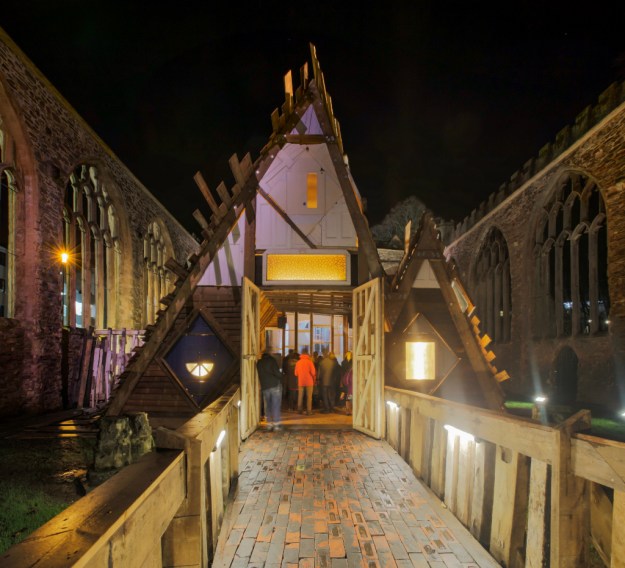
Public art pioneers Situations held a 24-hour, 24-day exhibition of sound inside the remains of Temple Church, Bristol, a disused place of worship that was bombed out during the Second World War. The project, simply called Sanctum, promised to give Bristolians a brand new way of looking at, and listening to, their beautiful city.

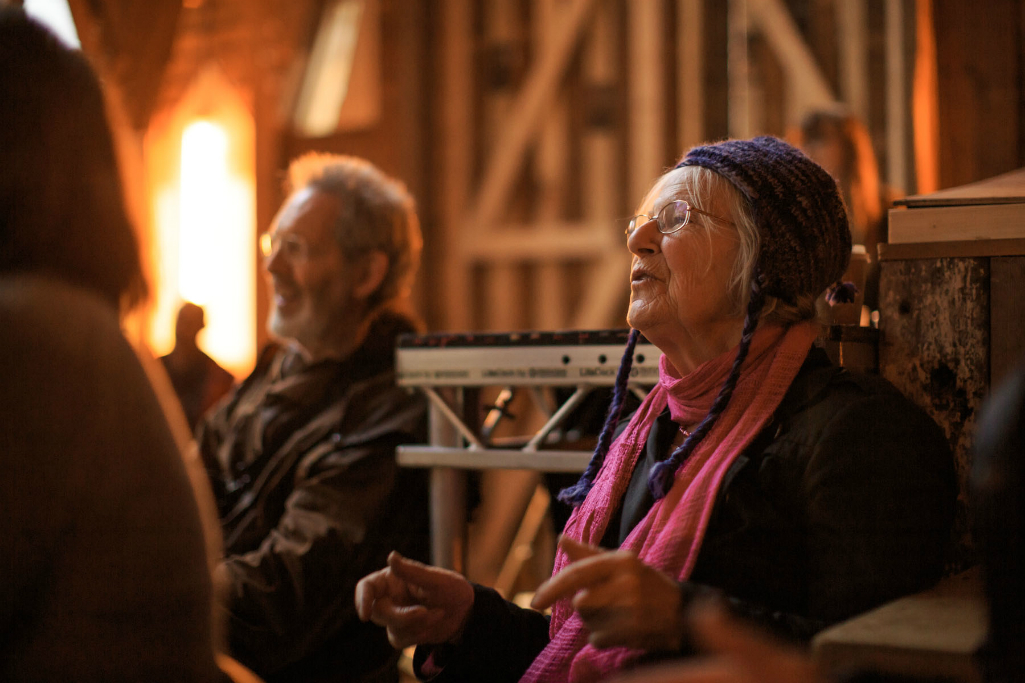
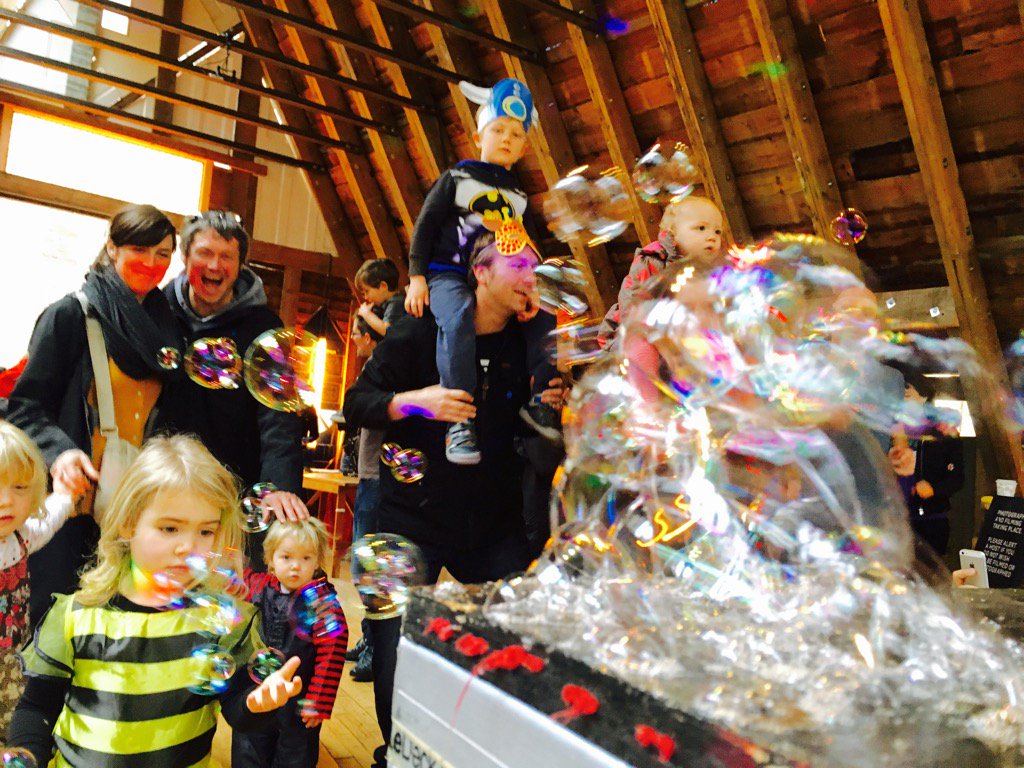
Over the three and a half weeks, Sanctum hosted intimate choir recitals, kids jungle parties, makeshift punk bands (so makeshift that they were literally made up on the spot using audience members), spoken word performances and mystic chants.

Kemptation brought published authors and poets to explore the Sanctum and give their reactions in the best way they know how: by writing them down. The following poems and short stories include notes on which Sanctum performances inspired them.


Herd

By Anna Mace

Reaction to Sacred Harp Choir performing at 6:30pm on Tuesday 17 November 2015

Photo credit: Max McClure, courtesy of Situations

Just before the singing started,

I noticed the way your ring,

hugged the slimness of your finger

as you spoke, denting the flush of grace

here, like you were tracing maps

or diagrams with bright, just in the turn

of wrist.

Fingernails reflecting ghosts, black,

white, all I could see were the details,

reminding me of slide and sweep

of my bow on violin, and how it used

to draw a tear.


And despite the choir’s beat to death

and god, the rolled up paper on the

side roared threat on rain-soaked

leaders,

claiming foreign fiends coding

messages with PS4s

sprayed messages with bullets,

spelling out plans in Super Mario

makers coins, how dare they?

Kill this harmony?

Calling fiercely to gather allies;

fruit flies, like a banana.


Tonight, this is my sanctuary,

whilst the scrawling wind screams

injustice,

sacred harp remind me

how fragile voices can break.

And hold, on. Still,

how does the scale of life measure

in the shapenotes of crescent moons

against the light? The texture

I can feel to the tips of my fingers,

in my bones, eyelashes, resting

in between the silence and each note.


Anna Mace’s poetry was shortlisted for The Melita Hume Poetry Prize 2015. Her latest work is set to be published in the limited edition bookart Revolve:R.


Ladies Night

By AA Abbott

Reaction to Nick Terrific performing at 11:00am on Sunday 15 November 2015

Photo credit: Anthony Ward, courtesy of Situations

There’s a long queue, because it’s Friday evening. That’s Ladies’ Night, when girls are admitted free.

“I don’t know why you wanted to come here,” Suki grumbles. “It’s a meat market.”

“Exactly,” Louise says. She preens, imagining herself a predator as she checks out the talent lining up ahead. Even Suki’s sharp glance doesn’t turn her towards a different truth. Females predominate on Friday nights; soft, vulnerable prey for the choosy males.

The black-clad bouncer glares at them. He’s sturdy as a cliff. The only clue he’s human is the lack of vegetation. “What’s your date of birth?” he growls.

Louise hastily subtracts two from the real year, so she appears eighteen. He glowers, then flicks his thumb towards the door, letting her through.

“There’s Danny,” Suki says, eyes shining. “I hope we get engaged soon.” She’s made the same comment to Louise every day since Danny left school and joined the army. He travels the world and Suki wants to go with him. She brushes off remarks about the countries Danny visits being dismal places where she wouldn’t want to live, and most likely wouldn’t be allowed to.

Danny had complained about clubbing on Friday night, apparently, but he seems happy enough now as he chats with his friends. Their eyes rove around the room, enjoying the sights of Ladies’ Night. Nevertheless, Danny meekly ambles over to the girls when he spots Suki. “Drinks?” he asks.

Suki requests a vodka shot.

“Same for me, please,” Louise decides.

Danny returns with a tray of shots and a beer for himself. His mates cluster round.

“This is Simon,” Danny says, gesturing to a tall lad with protruding teeth.

“He isn’t spoken for,” Suki says in an overly loud whisper that seems to echo across the dance floor.

Louise shrugs. Even ignoring the teeth, she doesn’t want to be an army wife. There are other ways to escape the dull town of her birth. Working at her A levels and going to uni hold more appeal.

“The poor girl’s blushing,” Danny says.

Louise necks a few shots fast. They’re the lurid colour of boiled sweets and taste that way too. Cocooned in the pleasant fuzziness of alcohol, she’s enjoying the company more.

“Are you dancing, Dan?” Suki asks.

He grudgingly leaves for the dancefloor with her. His other mates melt away until it’s just Louise and Simon.

“May I have the pleasure?” he asks with a goofy grin.

Louise sighs, knowing where that will lead. When the slow dancing begins later, he’ll have his hands all over her and his tongue down her throat. She shudders, but she’s about to say “All right” anyway. The bright lights, bubbles and beat of the dance floor are all tempting her even though Simon isn’t. Just as the words grudgingly emerge, another youth catches her eye.

He looks away, but it’s too late. She’s made up her mind. This one’s fit. He’s a tall lad with a tan and a short beard, black as night, standing quietly at the edge of the dance floor. There’s a purposeful quality about him. She likes that.

Louise risks a wave. To her dismay, he blanks her, strolling away. He leaves a leather satchel next to the dance floor.

Careless, she thinks, but what a useful excuse to pick it up and follow him.

“Don’t touch it,” Simon says sharply.

“Why not?”

But Simon’s off, running after the intense young man, grabbing him and bringing him to the ground. Danny reacts just as quickly, diving towards the bag, which he touches with the utmost gentleness, his face a picture of concentration. Louise sees the wires poking out of the bag.

She really ought to tell the DJ, but Suki has already done it. The fire alarm is sounding.

“Come on,” Suki pushes Louise towards the door, her voice scarcely audible above the shrill wail. It’s far louder than the disco. “We’ve got to get out.”

They shiver in the cold with the other clubbers, unable to retrieve their coats.

“It’s a false alarm,” one girl complains, ample flesh on display covered in goose bumps. She subsides into sullen silence as police and firemen arrive.

Danny and Simon emerge with the girls’ coats.

“Want to go on somewhere?” Danny asks.

“Oh yes,” Suki says, gazing at him with adoration.

Danny smiles back. She may yet get a ring on her finger, Louise thinks. Who wouldn’t want to be worshipped?

“How about you, Louise?” Simon asks.

Louise shrugs. She still doesn’t fancy him. Should she take one for the girls? She decides better of it. He’s the hero of the hour, so he’ll have hordes of women chasing him once the story’s out, anyhow. “No thanks,” she says.

They walk her to the taxi rank before heading to the next club. The DJ’s standing in front of her. He’s gorgeous too; all the girls think so.

“You were at the club, weren’t you?” he asks. “Fancy coming round to my place for a coffee? I’m still wired.”

He must have spotted the hope in her eyes, because he adds, “Just a coffee. I’m gay.”

Louise shrugs.

“My brother isn’t,” he says, grinning.

“All right,” Louise replies.


AA Abbott is a British crime thriller writer, who has written three full-length novels. Her latest, The Bride’s Trail, is available to buy from Amazon.


The Healers

By Richard Kemp

Reaction to Soulroots Acappella performing at 1:00pm on Sunday 15 November 2015

SANCTUM-PB-21

Photo credit: Paul Blakemore, courtesy of Situations

I lay at the side of the road, feeling the sun’s heat toast the back of my neck. My eyes weigh heavy with sweat, so puffy that I can barely see straight. I feel my way around, grasping at dirt and scorched grass, and try to stand, but stumble and crash down face first.

The blinding sun shows me a white figure with blonde hair. I wonder if I’m seeing an angel or still drunk from the night before. Then she offers her hand and I take it.

As I find my feet, I become wary of my appearance; straggle-haired, dirt-faced, looking like a man far beyond my years. She probably thinks I’m homeless. I want to explain that I’m just in a bad spot right now, but no words come out. She starts walking into the shady woods nearby and, for reasons I still don’t understand, I follow her.

We walk for half an hour, the angel silent with me trailing behind her like a lost puppy. “Where are we going?” I think to ask, but then decide against it, somehow knowing that I would not receive an answer.

The shade from the trees grows darker as we walk and I feel a sweat tickle my forehead. The humidity heaves its way in and out of my lungs, leaving me breathless and exacerbating the headache that comes with my week of indulgence. The forest is dense with glistening foliage, full of birds and reptiles of all sizes and colours. A symphony of chirps and bleats and shrills has erupted around us, rising to volumes that threaten to deafen. Croaks and rattles and hisses grate against high-pitched birdcalls, leading me to pick up my pace, though to where I still have no idea.

My eyebrows are soaked with sweat, as is the entire back of my shirt. I see steam rising from the ground and figure we must be getting closer to the bayou. Fears begin to creep up on me as to what this angel really wants, and why I was so willing to go without question. Had things really got that bad? Would I have just gone off with anyone? I look up to see that the shadow of trees has withered into light, revealing a lonely wooden house with muddy windows and a chimney billowing white smoke. The symphony of noises has been replaced with the thrum of a single song, though no song I’ve ever heard before.

I look back to the angel and catch her eye to see her break into a wide smile. “This is it,” she says and opens the thick wooden door for me to step inside. The house doesn’t look much from the outside – rough frame, slimy wet walls. The inside doesn’t offer much more – some old wooden beams here, a few rotting floorboards there – but as I cross the threshold, I feel a warmth that glows from its centre.

The walls are lined with a choir of singers, bellowing to a group of people. They are sat in the middle, facing every which way, like dishevelled patients in a doctors waiting room. One of the singers smiles and motions for me to sit. I take a seat as far from the centre as I can, fearful of what might happen otherwise. A glass of water is placed in my hands, which I sip with caution – at least at first while I survey the rest of the group. I see just how tired and filthy everyone else looks. I am disgusted at first, but then remember my own appearance is far from pristine.

The choir grows louder, their song crescendoing like waves of the sea. I watch everyone around me: some with their heads down, others talking to themselves. One man stares at the ceiling while a woman next to him quivers into floods of tears. I feel trapped and afraid, yet somehow loved. The circle of singers pulsates toward us, each angelic voice praising the ground below us and the roof over our heads. There are calls to God and thanks to Earth, and as their power grows, my thoughts turn to my wife. My baby boy. His confused face the day I decided to walk out on him for good.

I feel a tremble in my lips but refuse to give in. A hand grips mine and I turn to see a young woman. No older than 20, though she seems haggard with wrinkly eyes, puffy face and long greasy hair. Her skin is deathly pale. Her eyes lock onto mine as the choir explodes in volume, their harmonies reaching the tops of the building, reverberating about the windows and up through the chimney. It is so loud now that the house feels like a jet engine preparing for lift off. The sound wraps itself around me, holding me tight. The young woman leans in and cracks a crooked brown smile. “They’re healing us,” she wheezes.

The young woman lets go of my hand and turns her attention back to the choir. I hear another person start to blubber and see a border collie leap into an old man’s lap. A harsh wind picks up outside as the choir exclaims another joyous refrain. A refrain that I never want to end.


Richard Kemp is a journalist, published author and editor-in-chief of Kemptation.


Disassembled

By Judy Darley

Reaction to the aftermath of Sanctum, Bristol.

I’ll not forget the night

we rounded the corner to see

your cavern of light dismantled:

planks piled up, peak and windows cast aside.

A pensioner – part of a gaggle – veered towards us,

pressed a poppy-adorned paper into my hand,

asked if we’d join them to commemorate

the Blitz of Bristol. How oddly appropriate

in the wake of your soaring achievement

of song, spoken word, and shyness overcome,

the 24/7 of audible performance

filling the bombed-out church –

a space you had anchored with walls

and grace.


Judy Darley is a published writer, editor and poet based in Bristol, UK. Find more of her writing at SkyLightRain.com. Tweets at @JudyDarley.

Interview: Gordon Montgomery, owner of The Centre for Better Grooves, Bristol

Originally published at kemptation.com on 3 August 2015. Words by Richard Kemp

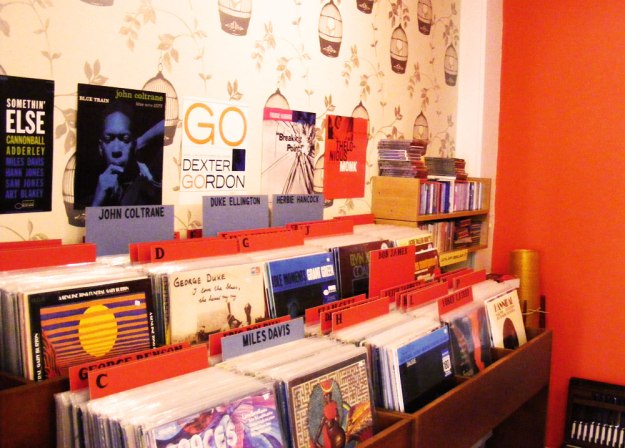
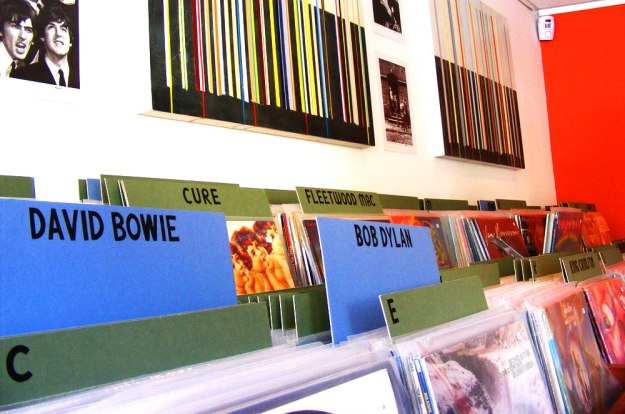
When I walk into the Centre for Better Grooves, a newly-opened record shop on Cranbrook Road, Bristol, I am met with a scene like nothing of the manic, cluttered display so lovingly depicted in Nick Hornby’s novel ‘High Fidelity’. There are no sticky floors or disinterested sales staff. Instead, I feel as if I have stumbled into someone’s living room. I am offered a cup of coffee and those all-too-familiar feelings of guilt – of unworthiness for not having swotted up enough on myriad unknown musicians beforehand – quickly disappear.

Whether consciously or not, a good portion of the UK’s used record shops cater mainly for the seasoned music head. This can make shopping for records a stressful experience for anyone without the prerequisite knowledge. The owner of the Centre for Better Grooves, Gordon Montgomery, who made his name as the force behind nationwide success Fopp, looks to buck this trend, to do away with the unfriendly, impenetrable stereotype of the used record store.

“Yeah, I don’t encourage that. We’re inclusive,” says Montgomery. Say a customer enters the shop and has no idea where to start with seminal German outfits Can or NEU!, he and Dean McCaffrey (Montgomery’s equally knowledgeable and approachable sales assistant) choose instead to turn this into a learning opportunity. “People come in,” he explains, “and they say they don’t know but ‘this is the sort of thing I’m interested in, can you help?’. So we provide a service.”

I want people to come to my shop and say ‘this is how you should do a record shop’…I want to be the best.

Montgomery is a businessman, through and through. He makes no bones about this nor about the fact that his key mission for the shop is to turn a profit – if this weren’t possible, he would never have set up in the first place. Sure, it’s an independent second-hand record shop, but it’s still a business and so he employs a lot of the sales techniques he developed during his Fopp days. Many used record stores have signs all over saying ‘All records are untested’ or ‘No returns’, but Montgomery doesn’t run things this way. In his shop, all records, new or old, are guaranteed. “People go to a second-hand store,” he says, “and they take a bit of a punt. They don’t feel as if they should take it back…Here, we don’t make the distinction between ‘used’ and ‘new’. We just say they’re all ‘records’.”

centre_for_better_grooves_02

Still, with so much competition on the nearby Gloucester Road (the longest stretch of independent shops in Europe), it is tough to bring in the punters. Cranbrook Road is not the most obvious of retail areas and so Montgomery decided early on that he would have to make his offer different from that of everyone else.

While other shops might buy in job lots of stock without considering whether it’ll sell, Montgomery makes sure to focus on the quality. He started record hunting in the mid-1980s by going to charity shops. “And when I’d lost the will to live,” he recalls, “doing three towns in a day, when I found myself in Newport, South Wales and I’d been there two hours with a bad belly and only managed to find one record for a pound, you start to think this isn’t quite right, is it?”

Now his stock comes mostly from dealers, which suits Montgomery fine since that’s where he often finds the best stuff. “The more serious collectors and DJs, they don’t want to be seen behind the decks with a repress, so they’ll pay a little bit more…they [the DJs] have built their collections over years and so they have long lists. If they can just buy a few off that list each month, I suppose they’re satisfied.”

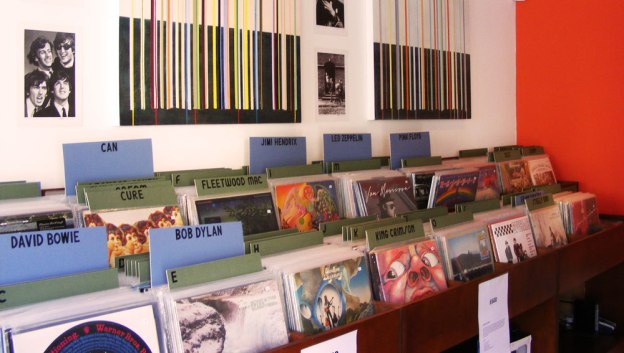
Soul and funk are two genres with which Montgomery’s shop seems fit to burst. For every James Brown and Isaac Hayes record, there’s one from Bobby Womack, Sam Cooke or the Ohio Players. The shop’s jazz section, tucked away in the back (“always put jazz in the back,” Montgomery riffs. “They like dark places, jazz fans”), is mightily impressive. There’s a turntable on hand, too, for anyone who wishes to sit with their coffee and try before they buy. Even the rock section, which sprawls across the front of the store, has top-rated selections from the likes of Pink Floyd, Neil Young, Led Zeppelin and King Crimson. As he takes me further round his store, I get the feeling that Montgomery is proud of every record he sells.

“If a jazz aficionado walks into a record shop and sees a load of Tubby Hayes,” he says, “they’ll go through the rest of the jazz section. If they don’t see that, they’ll think it’s not a good jazz shop – ‘No Tubby Hayes? I’m out’ – and that would be the same for Hampton Hawes or Bill Evans…That’s merchandising. Small independent record shops are poor at it. Used record shops are absolutely abysmal at it. They don’t lay it out so people can find it easily…They don’t use that psychology…They think ‘bugger ‘em, let them find it themselves.’”

Some traditionalists might turn their noses at applying professional retail techniques to the used vinyl market, but Montgomery doesn’t see it this way. “Most people appreciate it,” he says. “Here, it’s neat, tidy and well laid out. People like it here. Generally, record shops are supposed to just have fag butts on the floor and stink of real ale, and put people off.”

“It doesn’t matter how big the business is, I lose sleep over this because it never goes away.”

The psychology of retail is a constant theme when talking to Montgomery. The importance of keeping the bestsellers at the front, for instance (“that way, you’ve got a product in your hand. And once you’ve got a product in your hand, you’re gonna buy more products”). He recalls his time working at Virgin on Market Street in Manchester, back when record stores could sell thousands of albums a day. “You could not put records on shelves between 1pm and 4pm. It was impossible. If you ran out of a line, even if you had it in the stock room, you couldn’t get out there…’cause people used to congregate in record shops…That’s why, you know, at Rise, that’s why that café was put in there: for dwell time and also to appeal to a new demographic. ‘Well, if they don’t buy a record, at least they buy a coffee and a panini and we can get some rent.’”

I ask Montgomery whether profit really is the only goal for him. Does he have any other aims for the shop? “I want to be the frontrunner, I don’t want to be at the back. I want people to come to my shop and say ‘this is how you should do a record shop.’…I want to be the best.”

In order to achieve this, though, Montgomery admits he’ll need to move locations. He has a two-year lease for now, but once that’s up he’ll need to find something bigger, and more central, where he can relocate. The other factor in this is the vinyl market itself. Many continue to argue how the resurgence of vinyl is set for another downswing, how it’s just a fad. Then there is the explosion of vinyl shops opening in the last ten years. Bristol alone has a plethora of independent, second-hand record shops and so what does Montgomery plan to do once the market hits saturation? “I’m great at ironing. I can charge 20 pounds an hour to iron – and that’s more than I make out of selling records. Just gotta teach Dean to iron properly and we’ll have a full service.”

centre_for_better_grooves_01

There will always be a certain demand for good-quality records, Montgomery reckons. Whether there’s a profit to be made in future, though, is harder to tell. “If it doesn’t [make a profit], I’ll have to turn my hand to retailing other products. Or not retail at all. I’m unemployable. I can’t get a job. I haven’t interviewed since I was a kid…I don’t know how to dress or be compliant. HR would have me in the book within a week.”

Montgomery’s fine with this, though. He would much rather keep working for himself. I ask him whether he has advice for anyone looking to start a business: “Calculate the risk. Be prepared to lose a lot of sleep. It doesn’t matter how big the business is, I lose sleep over this because it never goes away…I used to run Fopp and I lose as much sleep over this as I did running Fopp…because you have to commit yourself. It’s not for everybody.”

In the end, it’s tough love that Montgomery issues over anything else: “Being self-employed, most people don’t do it – it’s too risky…There are no entitlements to running your own business. You’ve either got to get your sorry ass out of bed and do it or not.”