Category Archives: Features

Interview: Niet

Originally published at kemptation.com on 31 July 2015. Words by Andrejka Zupancic

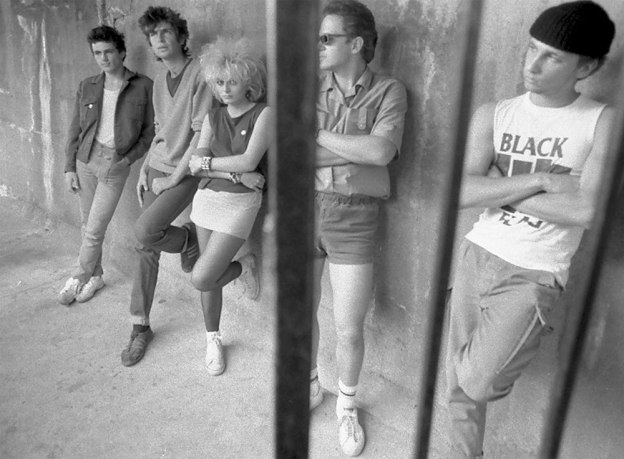
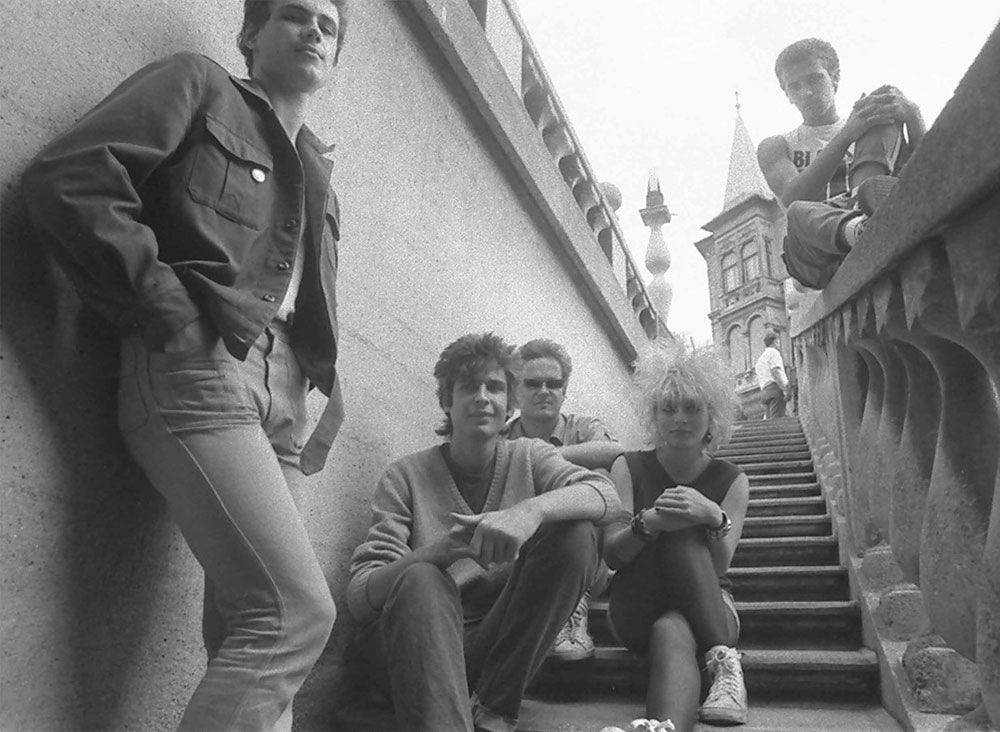
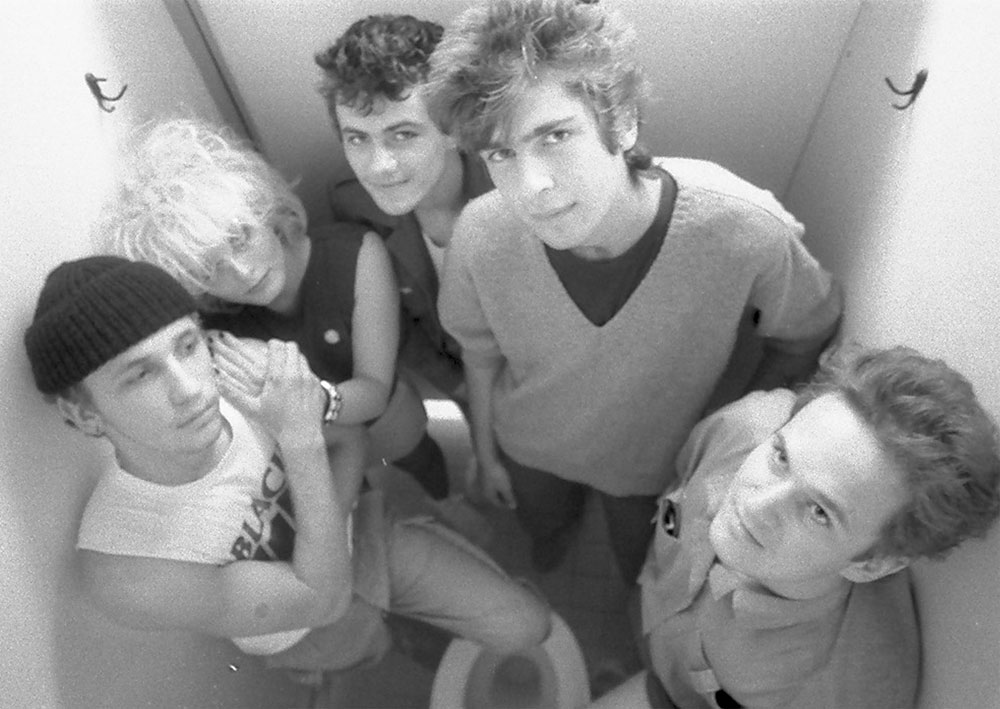
Slovenian punk group Niet was founded in late 1983 and quickly became established as one of the best bands of the then-very-strong Ljubljana hardcore scene. The band was soon to carve a unique path for itself, recording first hit Depresija (Depression) in April 1984, and following this with two summer blockbusters inPesrpektive (Perspectives) and Ritem človeštva (Rhythm of humanity).

In 2008, after it had seemed that Niet would never grace the stage again, the group (under constant pressure from the public) returned with new singer Borut Marolt (ex-Prisluhnimo tišini / Listen to the silence) and a near-perfect, original lineup in guitarists Igor Dernovšek and Robert Likar, bassist Aleš Češnovar and drummer Thomas Bergant.

Kemptation writer Andrejka Zupancic interviews guitarist and original founding member Igor Dernovšek.

Zupancic: How did you come to the decision of reforming Niet after so many years?

Dernovšek: Yes, it was long. We were active (with a two-year interruption due to the then-mandatory military service in former Yugoslavia) from the end of 1983 to 1988. After the death of singer Primož Habič (1991), we gathered again in 1993 for a few concerts, but then we disbanded for 15 years. In the meantime, our popularity grew so much that we were practically forced to return. Luckily, we found enough will and an excellent new frontman in Borut Marolt.

What kind of audience comes to your concerts? Is it mostly those from your early years or a younger generation?

Upon our return in 2008, we were somehow distributed between the old and young fans. Now our audience is dominated by youth, between 15 and 25 years old. We are a band that have equal effect on all generations and this is one of the things of which we are most proud.

The social situation is such that now you have to be a rebel.

Which songs are your audiences most excited about – new or old?

Hard to say. In addition to old classics like Lep dan za smrt  (Good day to die), Depresija (Depression), Vijolice (Violets) and Februar (February), we get equal response for 90s tracks Ruski vohun (Russian spy) and Bil je maj (It was May) and for newer ones like Vsak dan se kaj lepega začne (Every day something nice starts), Dekle izza zamreženega okna (Girl behind barricaded window) and Ti in jaz in noč in večnost (You and me and night and eternity). The last two are from our most recent LP, Trinajst (Thirteen), which was released in 2010. In 2012, we made music for the highly-successful rock musical Rokovnjači (Ruffians), which was also released on CD though not aimed at such a wide audience.

Your singer Borut Marolt is formidable in carrying out his mission. How did the audience react to this addition? Were there any negative critics in connection with Primoz Habič and a new singer? It’s clear that many people consider the singer to carry the appearance of the whole group.

He [Marolt] was accepted remarkably quickly, especially by the ladies. He himself, as well as the rest of us, were of course a little nervous at the beginning, because Primoz Habič was kind of iconic in the punk scene of the 1980s. I still remember the reactions in 1993, when I replaced him myself. But time apparently heals while also exaggerating nostalgia.

What are your earliest memories of Niet’s first years in the punk era? Do you have an interesting story from concerts during that period?

Naturally, we were very young at that time: 17, 18 years old. We were angry kids, we were creating a lot of nonsense. I do not know, not all of them [the stories] are for the public. It is also the fact that we were then a part of Yugoslavia and we had a market of 20 million. There were a lot more opportunities for concerts, several of which we played abroad in France, Italy and elsewhere. We were also lucky to be able to play with some of the giants of the English and American punk scenes at that time, bands such as Angelic Upstarts and Youth Brigade as well as with the biggest names of the former-Yugoslavian rock scene, such as EKV, Zabranjeno pušenje and Električni orgazam.
Could you tell us briefly what the biggest difference in style is between your early years and now?

I do not know exactly. In the 80s, we were rapidly developing and changing from the initial hardcore, some of which we still play at concerts. In recent months, we have already come up with a unique, shall we say, Niet style with a distinctive guitar sound, catchy tunes and shadowy texts. As time wore on, we endeavoured to expand our repertoire while keeping to the same base.

How would you define yourselves in terms of commercial success, now or in the past?

Once we played for packs of beer and for travel costs on the train. Today, however, we can hire a van and get a hundred or two hundred euros per head. Although we are among the most successful and desirable rock bands in Slovenia, it is far from plausible to speak of any commercial success. Slovenia is small, its population size that of a large European city, and the country’s music scene is dominated by techno and folk. The most important things for us are that audiences respond at concerts and that we are putting out well-made LPs.

I have always been interested in your private lives – is it possible to live in Slovenia and make money only from music?

Private lives? Our drummer (Bergant) is married and has two children while Likar (guitarist) is separated, has two children and a new, younger girlfriend. The two other members of Niet are single and enjoy life. I live on maize with a girl and have a 10-year-old daughter. We are all employed, as railwayman, postman, journalist, teacher and stage worker. We are all trying to live as fully as possible; we like to drink and smoke a bit but, above all, we love music.

In the end, it’s the common people who always suffer.

Unfortunately, in Slovenia, with fewer than two million people, earning money with music can only be possible for a few folk bands, each having some festival week. The pop and rock scenes have room for only about five to ten artists – and yet even those artists are not exactly wealthy. Some of the best session musicians, and some classical musicians employed in state institutions, can live from music alone. We, of course, would very much like to live off our music, but the circle of people who still listen to rock in the broadest sense, and who are also willing to pay, is becoming smaller and smaller. Technology, the Internet, it has all played its part and so even copyright cannot exactly bring in the money.

Are you still as rebellious as you once were?

Much more so. Back then, we were more ferocious but we did not exactly know what we were resisting. Now, the social situation is such that you have to be a rebel.

In one interview, you said that “The trough has changed, the pigs remain the same”. Who particularly are you targeting with this statement?

That in power there are always ‘rotten’ people. This may be the inner circle of the former Communist Party or the present ‘left’ and ‘right’ wing politicians and their capitalist masters. In the end, it’s the common people who always suffer.

Did you ever see Laibach as your competition? What do you think of them?

Laibach had formed a few years before us. Their music was in other waters and so while we did not really socialise together, we also did not compete. I appreciate them a lot: Laibach created a completely different form of expression and dared to provoke the then-still-very-orthodox communist regime while making a huge breakthrough into the rest of the world. Respect to them!
Have you ever been politically engaged?

In the 80s, no. We were teenagers; politics did not interest – not us even a little bit. Now, politics is of great interest to us and this is reflected in some lyrics, even though our songs continue to dominate personally-expressive poetry. To some extent, politics is my professional area since I earn bread as a journalist.

Which songs from your latest album are your favourites?

Our new album, V bližini ljudi (Near people), is due for release in September. We released the first single in June, which was has engaged people and become popular. The rest of the hits are to remain a secret as we are saving them for the second, third and fourth singles.

How would you describe your musical style?

As Niet, I do not know. It’s hard to say. They [the music industry] classified us as punk, though we are not that. The energy of our music is punk-ish, but there are some obvious melodic influences and 1960s psychedelia plus some other forms of rock and alternative music.

Plans for the future? Perhaps a tour abroad?

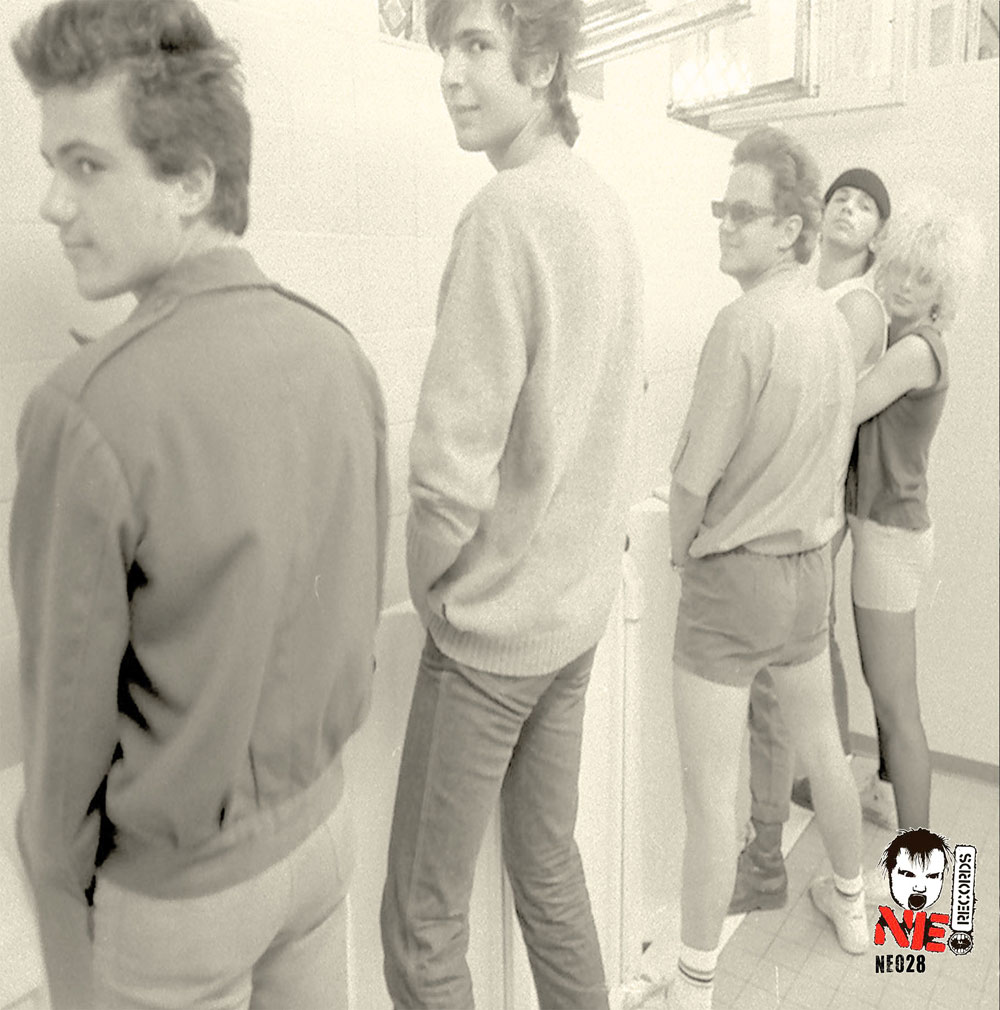
We will soon be releasing a reprint of our first cassette from 1984, Srečna mladina (Lucky Youth). The record, which will be released on vinyl and CD by Swedish label NE Records, became one of the most re-recorded cassettes of Slovenian in history, or so people say. Most of the reprint copies will go to the US, Germany and Japan. In August, we will be mixing our new album, V bližini ljudi (Near people), ready for its release in September. A tour of Slovenia will then follow, but perhaps some concerts abroad might be possible.
If You Ever Come Back – a short story

Originally published at kemptation.com on 29 June 2015. Words by Richard Kemp

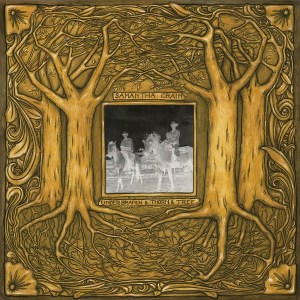
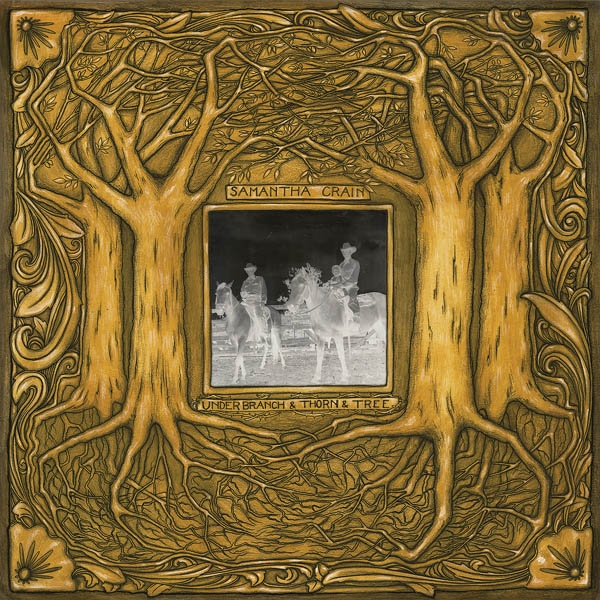
Samantha Crain is an expert storyteller, spinning delicate yarns with her beautiful words and music. The following short story was inspired by the singer-songwriter’s latest record, Under Branch & Thorn & Tree.

samantha_crain-under_branch_and_thorn_and_treeIt’s not until you see it laid out before you that you realise how short this life really is. Do you ever think about that?

It’s so lonely this side of the bed, staring at you through all the pipes and wires that keep your heart and lungs in check. The smell in here, I wonder, do you notice? Do you want to keel over too every time the stench of urine and medicine wafts its way up your nostrils?

The doctors have stopped visiting – the family too, the grandchildren anyway. It was when you started forgetting people’s names. Faces are one thing ­– your sight’s been rotten for years after all – but forgetting the names of your own grandchildren. They’d ask me why you remember one but not the other. It’s hard not to take those things personally.

Our kids still come to see you; do you see them? I’m not sure they want to be here, though. To see you like this, so weak, so vacant: their hero, defeated. Chained to a mechanical bed of plastic and rubber, machines beeping all around you as the help in white coats mill up and down, reminding us all that you’re probably not getting out this time.

What do you think? Your chances, I mean. I can’t tell anymore. I’m sorry, darling, but it’s true. You haven’t spoken in over a year, not past the beleaguered grunts and one-word commands that make no sense at all.

It’s so lonely this side of the bed. Seeing a broken man unable to hold himself up. I often wonder: what do you see? Is it the woman you loved? The one you married so young? Do you see the person who listened to Wagner with you turned all the way up? Do you see the girl you fought for all those times when the family would never approve? Do you see the one who stuck by you even when you did the stupidest things?

Or, do you see a lonely old woman who’s lost her husband to a tiny shell of a once-great man who can no longer speak? Do you see a shattered lover who has nothing left?

People come by the house every day to check on me, to see how I am. The faces keep changing, but the questions remain: can I get you anything? Let me know what you need, won’t you? I tell them all the same: I want nothing. I need nothing. All I really want is you, but then they bring me back here to talk to a statue. Do you even know I’m here? I shouldn’t say such things, but it’s hard to cope sometimes. I wish we’d seen this coming; at least we would’ve had time to decide what to do. Would you still want to be here? If it were me in bed, what then?

Instead, I stare through your eyes and feed you mashed-up apple crumble. I try to remember the man I once knew, the one I loved for so many years, but it’s hard with the smell of shit in the air and all those screams coming from down the hall. Is there anyone I could have loved more than you? I doubt it. When I’m home alone, wrapped up in bed, I try to imagine the covers are your arms, so strong, the pillow your chest. I fall asleep this way, so comfortable, so warm, so safe. I dream of our lives before the bed, a life that seems so far away now.

I’ve taken down some of the family photos – the nephews and nieces we never see – and replaced them with pictures of you and me. That time at the fairground and during the war when we first met.

I was stood on the landing the other day, staring at the photos, when a carer came by. Another new face, a short, skinny man, he said, ‘looked better today. You never know, he might be coming home soon.’ I winced at this and screamed at him, tears filling my eyes as quickly as anger filled everything else. There was no way you were ever coming back, I snarled. How dare he say that to me? The man’s eyes had widened. He was shaking. ‘Sorry,’ he whispered, and sloped off. The carer had changed by the next day.

I went back to looking at the photos, smiling in the way you always smiled at me. A love so pure, so real. I lay a hand on my hip as if it were yours and I thought about where you were now: in the mechanical bed covered in plastic, with the television blaring and food dribbling from your mouth. I thought about that and I thought about you, then I thought to myself, ‘if you ever come back, could you bring my heart?’


Samantha Crain‘s latest record, Under Branch & Thorn & Tree, is released on 17th July 2015 via Full Time Hobby. Pre-order the record now.

Interview: Laibach

Originally published at kemptation.com on 17 March 2015. Words by Andrejka Zupancic

Laibach are one of very few acts truly deserving of the cliché, ‘more than just a band’. Formed in 1980, in the rural town of Trbovlje, Slovenia, Laibach became the musical arm of the Neue Slowenische Kunst (New Slovenian Art) collective, a group so radical that it would go on to found its own country, even issuing passports and opening embassies.

Laibach have influenced many great acts across multiple genres. According to Trent Reznor, if there had been no Laibach, it would be hard to ever imagine Nine Inch Nails or Rammstein coming into being.

Laibach, relevant as ever (or perhaps even more so), are currently haunting Europe with their eighth studio album, Spectre. We speak with the band about the new album, its message, the future of Europe and the concept of their international Party (you can’t leave the Party, apparently, but the Party can leave you).


You are currently on tour, promoting your album, Spectre. The lyrics have quite a political tone. What is the message of the album?

Spectre is basically a kind of ‘manifesto’ of the international Party, which we founded at the launch of the new album. There is an increased engagement in consciousness in Europe and elsewhere in the world – people are tired of the existing political and economic order and want to take power into their own hands and return the dignity and solidarity to social relations in ordinary life. In doing so, we can only support them and, in addition, we simultaneously try to return some political relevance and dignity into popular culture.

The entertainment industry should be fun (in the first place, at least), but it should also take its fair share of responsibility for the common social and political climate. Most of the popular entertainment industry today is completely trivialised and lost on all levels, particularly in the context of the basic issues of social justice and politics. One of the reasons for the establishment of a party is, therefore, also self-destructive; a cynical status in popular culture. Today, nobody takes music seriously, musicians and the music industry have gambled it away. But we believe that music can, in principle, still work as a mobilising force – think of all the brilliant periods in the history of pop culture – if it is not encumbered with itself, if it does not behave only as ‘music’, if it exits from its media and operates in the so-called ‘underground’, if it anarch-organises itself – not as a sub-culture alternative, but as a whip of God. Spectre therefore deals with this kind of content.

What is the purpose of the Party?

We established the Party as the classic ‘Stalinist’ international Party. It is available to all those who may be inspired by Laibach and who want something more than to just blindly consume ideas and objects. We do not want it to be a fan club; rather, we want socially and politically sensitive members who will actually engage themselves in their environments and connect and support one another (and help with other related projects), even remotely. We will also direct them a bit, so as not to get too mired in strange waters, but we will still allow them enough freedom, or at least its illusion.


You all have pseudonyms: Dachauer, Keller, Saliger and Eber. What do they mean?

Laibach works as a team, with a collective spirit, following the model of industrial production and totalitarianism. This means: no individual speaks; the organisation speaks.

The entertainment industry should take its fair share of responsibility for the common social and political climate.

Our work is industrial, language is political. The internal structure works on a directive principle and symbolises the relationship of ideology to an individual. The members of Laibach, since 1982, are Eber, Saliger, Dachauer and Keller, making a quadruple principle which, predestined, conceals any number of sub-objects (depending on needs). The flexibility and anonymity of membership prevents eventual individual deviations and allows a permanent revitalisation of the inner life juices. Subject, which can in the process of work be identified with extreme position of contemporary post-industrial production, automatically becomes a member of Laibach. Others hold the status of colleague.

Where are most of your concerts taking place and do you have a favourite audience?

We do not discriminate between audiences – or, at least, we pretend not to. We are politically correct enough that we are willing to lie about this. Nevertheless, our favourite audience is one that most loves us or hates us; those are the ones that are most inspirational.

The group was founded in Trbovlje. Do you still come back and organise concerts in your hometown?

Yes, we do that on a regular basis, in part because we were banned in Trbovlje when the band formed in 1980. It was in 1990 that we finally performed there for the first time – and even then under the watchful eye of the police. But Trbovlje gave a sense of perseverance, humour, ruggedness and sophistication. It marked us, so completely and thoroughly, that we still return to this, the most beautifully ugly city in the world.

It wasn’t until 1990 that we were finally allowed to perform in Trbovlje – and even then it was under the watchful eye of the police.

This is a typical Slovenian trait of dark cynicism and scepticism, but people in Trbovlje, though they are subject to all the junk of social roughness, are actually very sensitive and good. Today, the city varies considerably and instead of mining, power plants and heavy industry, there are now sophisticated companies such as the software company Dewesoft, which makes software for NASA in the USA and similar. A new youth culture has emerged, too, which organises the radical sound and music festivals. A new avant-garde collective has also formed, which hosts an annual international festival of new media called Speculum Artium – a few days of the year in which Trbovlje transforms into Slovenian Ars Electronica. Guests, artists, scientists and theorists come from all over the world – and we, of course, imagine that this change happened partly thanks to Laibach.


In your song, Eurovision, you proclaim ‘the collapse of Europe.’ Do you have a vision of how much time Europe has left?

Europe, as we know it and want it to be, does not exist. It is just a fiction, a desire, an illusion. The Europe that really exists is an intertwined and interdependent system in constant disintegration. And it seems this disintegration is the only stable principle through which Europe de facto has always been established. This was the case in the past and this will probably be the future. We wish her a safe journey and hope someday Europe will span the territory from the Atlantic to the Pacific.

After the release of your new album you are again getting politically active. In the 80s, the British press described you as “the most dangerous band in the world”. Why?

We do not know why. It probably seemed inconceivable to them that there could be such a radically different interpretation of the world, so different from the vision offered by the British and Anglo-American pop-rock sentiment.


What are the similarities and differences between Spectre and NSK (New Slovenian Art)?

The NSK was established at its inception and defined as an ‘abstract organism, supremacist body installed in a real political space as a social sculpture, consisting of the body heat, spirit and movement work of its members’. It is open to all, without exception, who want to become its citizens. Therefore, we left the country to its citizens, to organise themselves in any way they know how.

Unfortunately, nothing significantly different came out of it than just a kind of Laibach-ish. The NSK fan club was all about being some kind of artistic installation and trying to be to be more papal than the Pope. Therefore, we decided to establish a Party that would require from its members a specific social and political engagement and, therefore, give them specific tasks. Party membership is open to anyone to whom Laibach can serve as an inspiration and a formal link with like-minded subjects around the world – and we ourselves will be the ones conducting the Party.


In all your years of existence, who has tried to censor you most?

Ourselves. If this was not the case, today we probably would no longer exist.


What are your plans for the next album?

It exists, and we will start getting more involved with it, intensively so, in the second half of the year. But, for now, it is still too early to talk about it.


SPECTRE DIGITAL DELUXE ALBUM & SPECTREMIX OUT 30 MARCH 2015

UK Tour Dates:

30 March – Brighton, Concorde 2
31 March – Glasgow, Classic Grand
2 April – London, Electric Ballroom
3 April – Manchester, Academy 2

Inspirational Study Music

Whether you are studying for an exam, working through piles of research or just looking for a calm spot to read a book, music can make all the difference.

The right record at the right time can take your creativity levels from good to spectacular. You can’t just listen to anything, though – in fact, different sounds bring about different results.

Whatever you’re studying for (school, university, art college or night school), you need a soundtrack that works. And that’s what we’ve tried to make with this latest mix.

So put the kettle on, find a comfy chair and lose yourself in some inspirational study music.

Track breakdown

http://quietus_production.s3.amazonaws.com/images/articles/8659/glass_1335639714_crop_550x550.jpg

Philip Glass – Glassworks

It’s meditative and hypnotic, almost dream-like, and also really uplifting – something I need in times of hard study. MG


Lusine ICL – Language Barrier

Largely beatless album of gently-pulsing electronica which comprises washes of synth, some treated, looped guitar and twinkly bits while managing to sound simultaneously melancholy and euphoric. A warm bath of a record that grows with every listen. JC


Faures – Continental Drift

Imagine being being cast adrift in space, like the scene at the start of Gravity. Except instead of panicking, like Sandra Bullock does, you are deeply relaxed and witnessing something cool like the birth of a star, from a safe distance. That’s what this album sounds like. Nothing much happens, but then space is like that, I guess. JC


Explosions in the Sky – Those Who Tell The Truth Shall Die, Those Who Tell The Truth Shall Live Forever

A regular pick in most study lists, but for very good reason. Listening to Explosions… is like transcendence for the ears. RK


http://s3.amazonaws.com/typerecords_site/covers/255/type055_cover_med_medium.jpg

Richard Skelton – Landings

A good remedy for overworked brains! 

MG


Mountains – Centralia

Mountains‘ third album combines live instrumentation with vast walls of drone-like electronic noise. When I am trying to plan a lesson in a staff room full of chattering teachers this is the album I listen to. The record has a certain post-rock sensibility, demonstrated during the 20-minute long Propeller, which slowly builds to a crescendo of noise, before climbing back down again. Awe-inspiring stuff. JC


Susumu Yokota – Sakura

Japanese producer Yokota‘s early 90s ambient masterpiece combines loops of live instrumentation with vocal chants and lush synth work. Sakura is minimal, hypnotic and calming, and seems so much more than the sum of its parts. This is your best bet if you really need to concentrate. JC


A Winged Victory for The Sullen – ATMOS

Written to accompany a dance performance. I guess you would call this modern classical music. ATMOS is pretty serious stuff, but it’s also beautifully realised and profoundly moving in parts. JC


The Cinematic Orchestra and London Metropolitan Orchestra – The Crimson Wing OST

The only Disney soundtrack you need in your life. The Cinematic scores a nature documentary about pink flamingos, and the result is a rich, emotional, tour de forceJC


Jon Hopkins – Asleep Versions

Hopkins here produces stripped back, lush, ambient versions of four tracks lifted from 2013’s ImmunityJC


Global Communication – 76.14

One of my favourite albums of all time and, in my my mind, the best electronic ambient record ever made. Also doubles up as a perfect ‘sleep’ album if you want to take a nap on a train/plane/bus. JC


Portico Quartet – Isla

These Bristol musicians create a mesmerising mix of jazz and ambient sounds on this, their debut album. The group get bonus points for featuring criminally underused instrument, the ‘hang’. Some of the tracks include pretty crazy improv solos, so perhaps better suited to accompany creative work – abstract painters would love it.


Poppy Ackroyd – Escapement

London-born musician and composer Poppy Ackroyd coaxes beautiful noises from her piano in an unusual way; plucking or scraping the dampers and strings inside, or even taping the frame. She then records violin and multi-tracks the individual sounds together on her laptop. The result is delicate, ethereal, complex, and surprisingly accessible.

Bad Films are Better Shared: Interview with Bristol Bad Film Club Co-Founder Tim Popple

Originally published at kemptation.com on 16 December 2014. Words by Richard Kemp

“We’re about enjoying films – just in a way the creators never intended.”

Plan 9 From Outer Space, The Room, Birdemic. These films all have one thing in common: they are considered inherently, explicitly and unequivocally bad. Yet film nerds worldwide cherish these works as much as (or sometimes even more than) their ‘good’ counterparts.

The recent rise of independent film groups has allowed for lesser-known flicks to get screenings where they might otherwise have been overlooked. Groups are popping up all over, often showing movies in more offbeat locations – everywhere from public libraries to car parks.

Taking a similar approach, Bristol movie lovers Timon Singh and Tim Popple came together to start something of their own, though with an entirely different mission: to fulfil their desire, “to see bad films on the big screen.”

More than just a point-and-laugh presentation of artwork gone wrong, the Bristol Bad Film Club (fondly known as The Other BBFC) exists as a celebration of cinema’s dark underbelly. The club has already screened 16 bad films, including Troll 2, Plan 9 From Outer Space and Hercules in New York, and is about to hit number 17 with Christmas/Nazi horror flick, Elves.

Kemptation speaks to the BBFC co-founder Tim Popple about memorable moments, his favourite music from bad cinema and meeting bad film idol, Tommy Wiseau, actor, director and writer of the 2003 cult classic, The Room.

Artwork by Tiffany Farrant-Gonzalez

Do people ever ask why you watch bad films? How do you answer?

At first, yeah. There was a sense that maybe some people didn’t feel ready to embrace ‘bad cinema’. Hopefully, experience coming along to our screenings has shown them the light! Essentially what we’re about is enjoying films. We’re just enjoying them in a way the creators never intended.


What’s your most memorable bad film experience?

I’m torn between screening Masters of the Universe to over 500 people outside, in Victoria Park in the summer, and meeting my bad film idol, Mr Tommy Wiseau in February. The former was an amazing experience, sharing bad cinema with so many. The latter was possibly the most surreal moment of my life. Tommy Wiseau (creator of The Room) is larger than life; a cartoon character, a mystery – and we love him for it.


Do you ever watch bad films alone? How does it differ from watching them in groups?

We do when we trial them, or in smaller groups. Part of the bad film experience is sharing the slack-jawed disbelief at how bad the films are with other people. It’s never going to be as entertaining on your own. That’s one of the things that make the film club so successful. Bad films work better in a big group. It’s the shared experience.

Artwork by Tiffany Farrant-Gonzalez


Have you had any reaction from fans (or filmmakers), who disagree with the films you rate as ‘bad’?

When we screened Supergirl in conjunction with What the Frock, the Bristol-based all-female comedy group, people disagreed that it was bad because it was a film they remembered enjoying from their childhood. But children have fewer critical faculties! And enjoying a film doesn’t mean it can’t be bad: all the films we’ve screened or plan to screen are massively enjoyable – that’s why we screen them! Supergirl, arguably, was many people’s first experience of bad cinema.


If you could meet anyone from a bad movie, who would it be and why?

Well, we already met Tommy Wiseau, and that was pretty immense. I’d love to meet Matt Hannon, the presumed-dead-but-actually-very-alive star of Samurai Cop. Samurai Cop 2 is currently being made, and we’re very excited about seeing that: it stars former James Bond, George Lazenby!


In today’s movies, music plays a big part in the overall experience. What are some of your favourite songs or soundtracks from bad movies and why?

Against the Ninja and Friends, both by Dragon Sound, from Miami Connection, are fantastic 80s cheese.

Just Hanging Out by Damien Carter, from Birdemic, is just… I don’t even know. A paean to family values, in a club scene? It’s fantastically bizarre.

And then there’s Dare by Stan Bush. Everyone remembers it from the original Transformers movie, the one with Orson Welles voicing the villain. Yes, it’s a bad film. Yes, we all love it, Yes, the song is awesome.

Introducing… Amason

Originally published at kemptation.com on 30 October 2014. Words by Richard Kemp

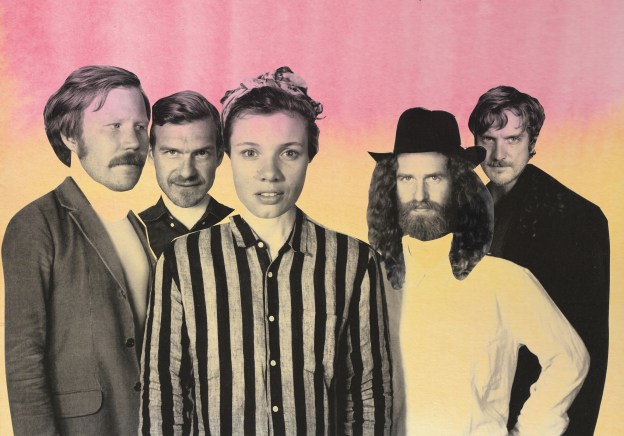
Our Introducing… series digs out new, undiscovered musical talent that deserves to be heard and delivers them directly into your ears. This round, we speak with Amanda Bergman of highly lauded Swedish quintet Amason about borrowed languages, feeding the monkeys and the band’s forthcoming debut album, Sky City.

Name: Amason

Hailing from: Stockholm, Sweden

Genre: Indie Pop

Contact: Twitter | Soundcloud | Youtube | Facebook

Upcoming shows:

31st October – UPSTAIRS, Ace Hotle, Los Angeles, USA

1st November – Origami Vinyl, Los Angeles, USA

3rd November – The Echo, Los Angeles, USA


You’ve been championed by the likes of KEXP and NPR Music as ones to watch. Has this rise in popularity been gradual? When did things really get going for you?

I do know about these radio stations and I’m sure it is a good thing if you want to spread your music around to have them play your song, so I’m very happy they did – and thankful. But as far as making assumptions about rising popularity or sinking down the drain, I have no clue. I guess it’s hard to see that kind of stuff from the inside as well for that matter. I’m sure Google has a way of measuring stuff like this nowadays, but I’m just not that interested in keeping track of numbers. I’m no good with numbers. I like making records and playing shows with people I love and I guess the ultimate sign of success would be to do shows for which people show up! To me, that’s when it gets going.


The name ‘Amason’ is taken from the Swedish spelling of the mythological female warriors. Do these warriors feature in your music at all?

Actually, I think it’s taken from a Volvo car model that everybody drove around the country in the 60s… I think it was a loose way of referring to our common wish to make some music made for car driving, or biking or fast walking.


You sing in both Swedish and English. How do you decide which language to use for each song?

I guess it comes around naturally. I couldn’t tell you exactly why one song is in English and one is not, it’s all part of the confusion. I guess some sounds seem better in Swedish and some in English. It’s all just different frequencies. And, of course, it is easier to lovingly mistreat and stretch the Swedish language since I know it so well and it’s a deeper part of one’s personality. In English, you’re always the shy guest, standing in the corner with a plate full of buffet food.


Can you tell us anything about your upcoming record, Sky City? What can we expect to hear?

It’s a bunch of songs that are all made in a very vivid process; finding the idea, mostly through a drum beat, arranging it, recording it at once and then adding the singing and the lyrics wherever it’s needed. Lots of laughter and stupid ideas, not so much thinking. Very intuitive, I guess. Therefore, the songs are quite different from one another, and I think that people will like some of them and not necessarily like others. Or they hate or love everything. I have no idea about that. I love it because I loved the process, and I like the feeling of just giving it away, almost like feeding birds or animals at the zoo. Here’s a bucket of semi-old fruit; take whatever you want and leave the rest for another hungry monkey or bird.

How would you describe your songwriting process? Do you all write together or is it more a personal thing?

It’s a very co-creative thing in our band – although, it’s mostly me or Gustav who writes the lyrics and the vocals so that’s probably where the more personal approach is added.


The fact that you all come from other great bands has led many to call you a ‘Swedish supergroup’. How is the reception for your music in your native Sweden?

To my measures it’s already all we can ask for. I think that more and more people are becoming familiar with the band, and hopefully after releasing the album next year we may have a decent chance to play some more shows in Sweden. We’re not intentionally looking to become a big act in Sweden, it’s just that you need some numbers of listeners here to be able to make a living from doing live performances, which is of course what we humbly wish for.


Each member of Amason brings his/her own influence to the band. There’s jazz in there, some surf rock, pop, synth and plenty more. Where did your sound start and where do you think it’s heading?

It all started with us five being different people, with different backgrounds both musically and personally. And then we just put it all in the blender. As I mentioned before, our debut album was put together very much with the intention of just ‘trying things out’ and ‘doing something’. I suppose a natural transformation would be to spend more time writing songs together after doing lots of live shows where we can develop our sound as a band in a natural way. I think we all agree that we want more time for the next one, and then just see what it does to the music. We don’t know more than anyone else on this matter. And that’s what I like about it.